 Back to all articles



Damaged Passport on Holiday: What to do before you fly home
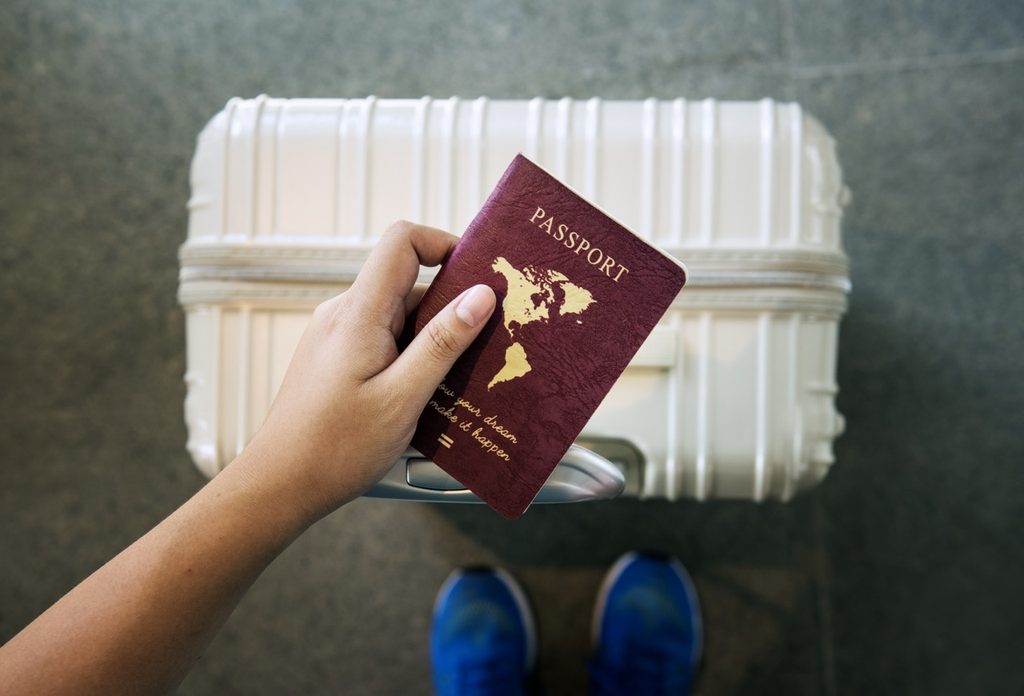
A damaged passport can stop you from boarding your flight home just as easily as a lost one, and it’s an easy thing to overlook. HM Passport Office treats a passport as damaged when it can no longer be accepted as proof of identity, so airlines and border offices can refuse one that is unreadable or looks tampered with. Passports get squashed into daypacks, rained on, handed across sticky bar counters; a little wear is rarely an emergency, but water damage, torn pages or lifting laminate over the photo pages are different.
What Actually Counts as a Damaged Passport?
There’s no single global standard. A passport one airline waves through might get rejected at another’s check-in desk. That said, most immigration authorities flag the same categories of damage, and both HM Passport Office and the US State Department have specific examples of what is considered a damaged passport:
- Torn, missing or detached pages: especially the photo/data page
- Water damage: including pages that have dried but curled, wrinkled or stained
- Faded or unreadable text on the personal details page
- Peeling or lifted laminate over the photo or data page
- A damaged or non-functioning chip (the electronic chip embedded in modern passports)
- Unofficial markings: a child’s drawing, an unauthorised stamp or a sticker
- A loose, cracked or detached cover or binding
Normal, gentle wear like a soft crease in the spine or slightly fanned pages usually isn’t a problem. The line is whether the damage makes it harder to confirm your identity or suggests the document might have been tampered with. If you’re unsure, check with your airline or the issuing authority before you travel, because airlines and border offices make the call all the time.
Quick Reference: Where to Turn, by Country
| United States | United Kingdom | Canada | |
| Who handles it | Nearest U.S. embassy/consulate abroad, or a passport acceptance facility at home | GOV.UK online with a possible appointment at the nearest British Embassy, High Commission, or consulate | IRCC or nearest Canadian embassy/consulate |
| Key form | Form DS-11 plus a signed statement of damage | Emergency Travel Document online application | Form PPTC 203 (damage declaration) |
| Typical cost | ~$165 (more if expedited) | £125 for an Emergency Travel Document (non-refundable) | Passport fee + declaration (no extra charge for the form) |
| Typical timeframe | Several weeks standard; 2–3 weeks expedited; same-day possible at regional agencies | Usually ready 2 working days after approval | Varies; urgent/express service at some offices |
| Australia | Elsewhere | |
| Who handles it | Australian Passport Office or nearest embassy/consulate | Search “[your country] emergency passport abroad,” or contact your nearest embassy or consulate. The process below still applies |
| Key form | Form B-11 (damaged passport declaration) | Your national equivalent, usually a short declaration of how the document was damaged |
| Typical cost | AU$265 (varies by location) | Varies, always confirm current figures with your official source before budgeting |
| Typical timeframe | At least 6 weeks standard; emergency passports issued faster | Varies, ask about emergency or limited-validity options if you need to travel soon |
Important: Do not throw away your damaged passport. Keep it with you, as you may be asked to surrender it when you collect your emergency document. Fees and processing times change and vary by location.
What to Do the Moment You Notice a damaged passport
- Stop using the passport as your primary ID for travel. Don’t try to tape, glue or otherwise repair it yourself as a self-repaired passport is typically treated as tampered with, which can be worse than damaged.
- Photograph the damage and the full data page, and pull up any backup copies (a photo on your phone, a scan in your email, a photocopy in your luggage).Note how and when the damage happened, as a replacement application may ask you to explain it.
- Contact your nearest embassy, high commission or consulate. This is the place to go for your emergency travel documents. Ask two things: is the passport still usable for your remaining journey, and what’s the fastest path to a replacement or emergency document?
- Check your onward requirements. Some countries deny entry over damage a departure country would have let you board with, so confirm requirements for every remaining leg, not just the one in front of you. GOV.UK advises checking that your emergency document will be accepted in each country you plan to leave, enter or travel through and whether you need a visa. Do this for the whole route, not just your next flight.
- Contact your airline before you head to the airport . A quick call or app message can tell you whether they’ll accept the passport as-is and gives you time to sort out a temporary document if not.
- Keep every receipt and reference number. Travel insurance often covers emergency document fees and related costs (missed connections, extra accommodation) so you’ll need the paperwork to claim.
How to protect your passport while you travel
Before you travel
- Register your trip with your government’s travel program before you leave as it makes it faster for your embassy to reach and assist you if something goes wrong.
- Carry a passport photocopy and a photo of the data page, stored separately from the passport itself, so you’re not starting from nothing if it’s damaged, lost or stolen.
- Renew a bit early if your passport already looks tired. Many countries let you renew before expiry once the document shows wear, which is far less stressful than doing it as an emergency from abroad.
Where to keep your passport on Holiday
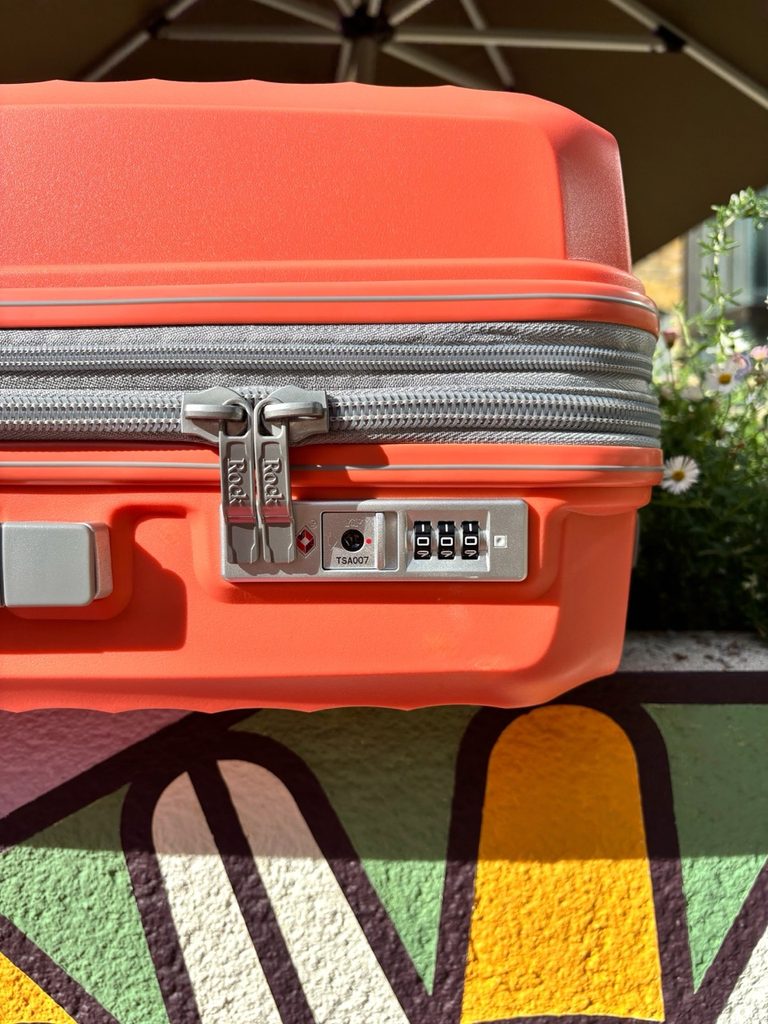
- No safe in the room, or it’s broken? Lock your passport and other documents inside your luggage secured with a Travel Sentry approved lock or padlock a cupboard or drawer in the room if one’s available.
- Store your passport in a hotel safe rather than a daypack or nightstand. Beyond cutting the risk of damage or theft, many insurers apply a reasonable care clause and can decline a claim if a valuable document wasn’t secured, so this protects your ability to claim later, too.
What to do if your passport gets wet
If a passport gets wet, let it air-dry flat rather than using heat. Once dry check it carefully as curling or stiffened pages that have no visible tearing can still be enough for an airline to flag your passport as damaged and therefore unsuitable for travel.
Avoid a lost or damaged passport with a TSA lock
Travel days are when a passport is most likely to be squashed, damaged, or lost, so keep it in a bag on your person rather than one that goes in the hold. Our guide to inflight theft on overnight flights covers what else you should keep close.
If you do check a bag, use it for backup copies of your documents and secure it with a TSA-accepted lock. This makes opportunistic access harder in a busy terminal or on a crowded transfer, and security officers can open it with a master key during inspection without cutting the lock off and damaging your bag. Our secure lock helps guard against loss and theft, but to prevent water damage, keep your passport flat and dry as well.
Damaged Passports Frequently Asked Questions
Can I still fly with a slightly damaged passport?
It depends entirely on the airline and destination; there’s no universal threshold. Some carriers accept light wear; others have denied boarding over tears as small as one centimetre. If in doubt, don’t assume; call your airline or embassy first.
What damage is allowed on a passport?
Normal wear and tear such as a minor crease, folded pages and light scuffing is understandable, but damage that makes your details hard to read or the document look tampered with is not. Water damage that distorts information or sticks pages together, tears and holes, or lifting laminate over the photo page suggest you need a replacement passport. Don’t try to repair a passport at home, as this may also be considered tampering. Airlines and border officers make the final call on the appearance of your passport, so always check beforehand if you’re unsure.
Will my damaged passport be returned to me?
Often yes, marked or clipped as cancelled, but not always, as some replacement processes retain the damaged document. Check with the office handling your replacement if you want it back as a keepsake or for insurance purposes.
Does travel insurance cover a damaged passport?
Some policies do, but don’t assume it. Many insurers apply a “reasonable care” clause and will decline a damage claim, not just a theft claim, if the passport wasn’t stored securely, such as in a hotel safe. Check your policy wording or ask your insurer directly before you travel.
What’s the difference between a replacement passport and an emergency travel document?
A replacement passport is a full, standard passport. An emergency travel document, sometimes called a limited-validity or provisional passport, is a temporary, faster-to-issue document valid only for one specific journey, meant to get you home or to your next stop rather than serve as a long-term travel document.
Can water damage really be a problem if the passport still looks readable?
Yes. Curling, stiffened, or wrinkled pages from moisture can be enough for an airline or border official to flag a passport, even without visible ink smudging or torn pages.
Related Articles
October 2026
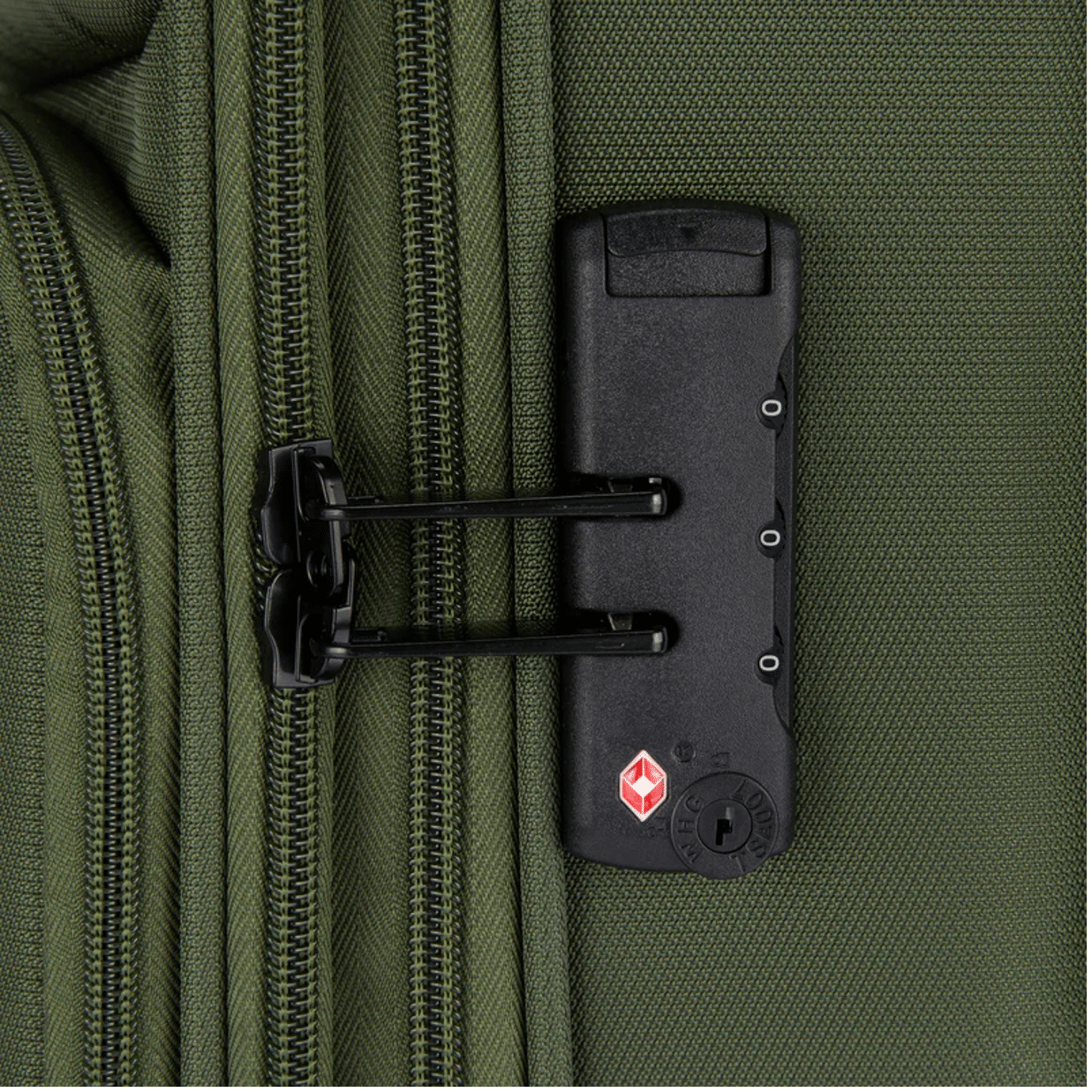
How to Tell If My Lock Is TSA Accepted
How to spot the Travel Sentry Red Diamond, find the lock code and avoid a cut lock at the airport.
Read More
September 2026
Flight Cancellation Compensation: What Are Your Rights?
Find out your flight cancellation rights and how to claim compensation.
Read More
September 2026
Can You Take Power Banks on a Flight?
Learn airline specific rules for carrying power banks on flights and battery capacity limits.
Read More