 Back to all articles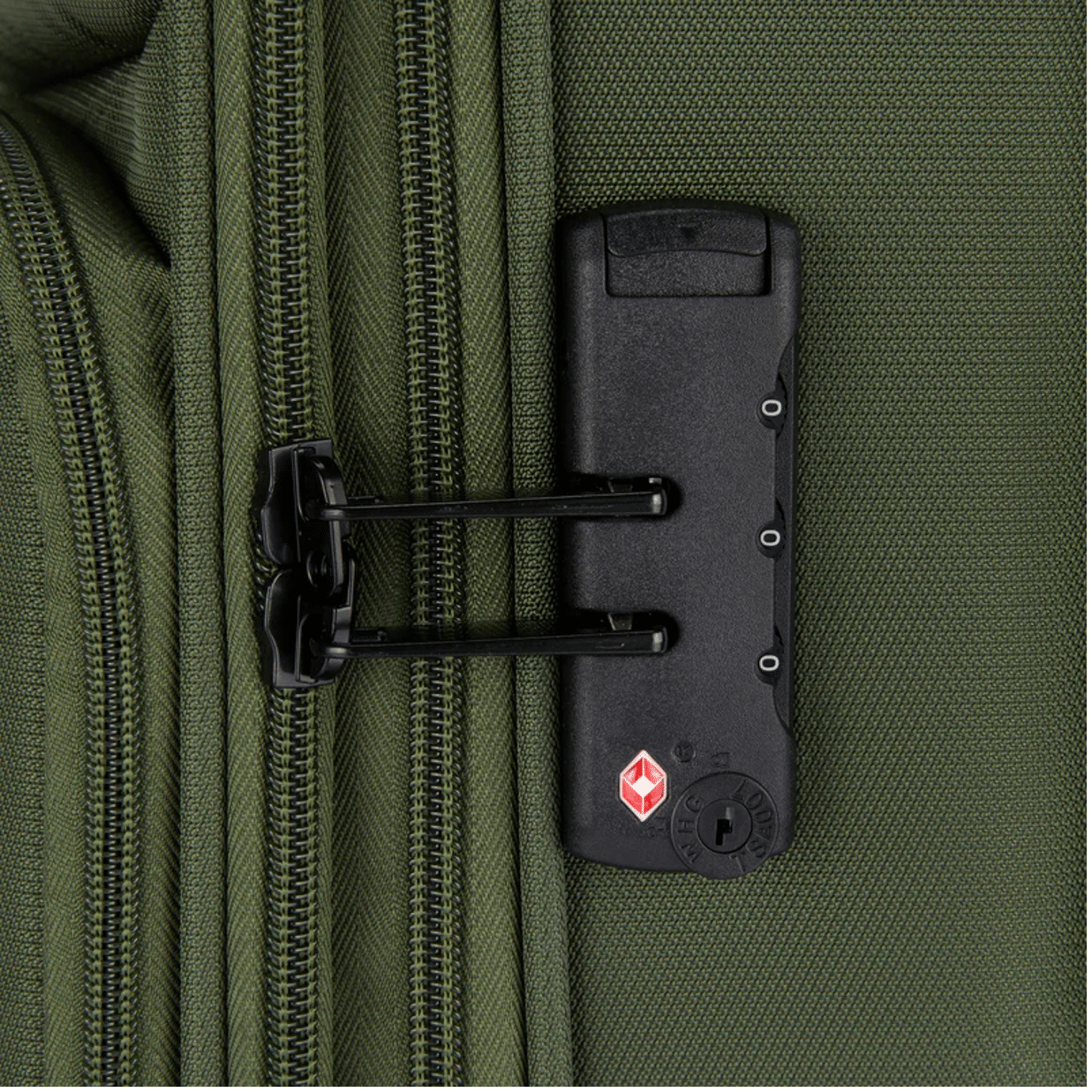



How to Tell If My Lock Is TSA Accepted
You’ve packed, repacked, weighed and reweighed your bag; now the final thing to do is lock it. But will your luggage still be locked or will the lock still be there when you reach the baggage claim carousel?
If you’re not using a Travel Sentry-approved lock, there’s a real chance it won’t be. If airport security needs to inspect a bag secured with an ordinary lock, they may cut the lock off. You then travel the rest of the way with an unlocked bag and a broken lock.
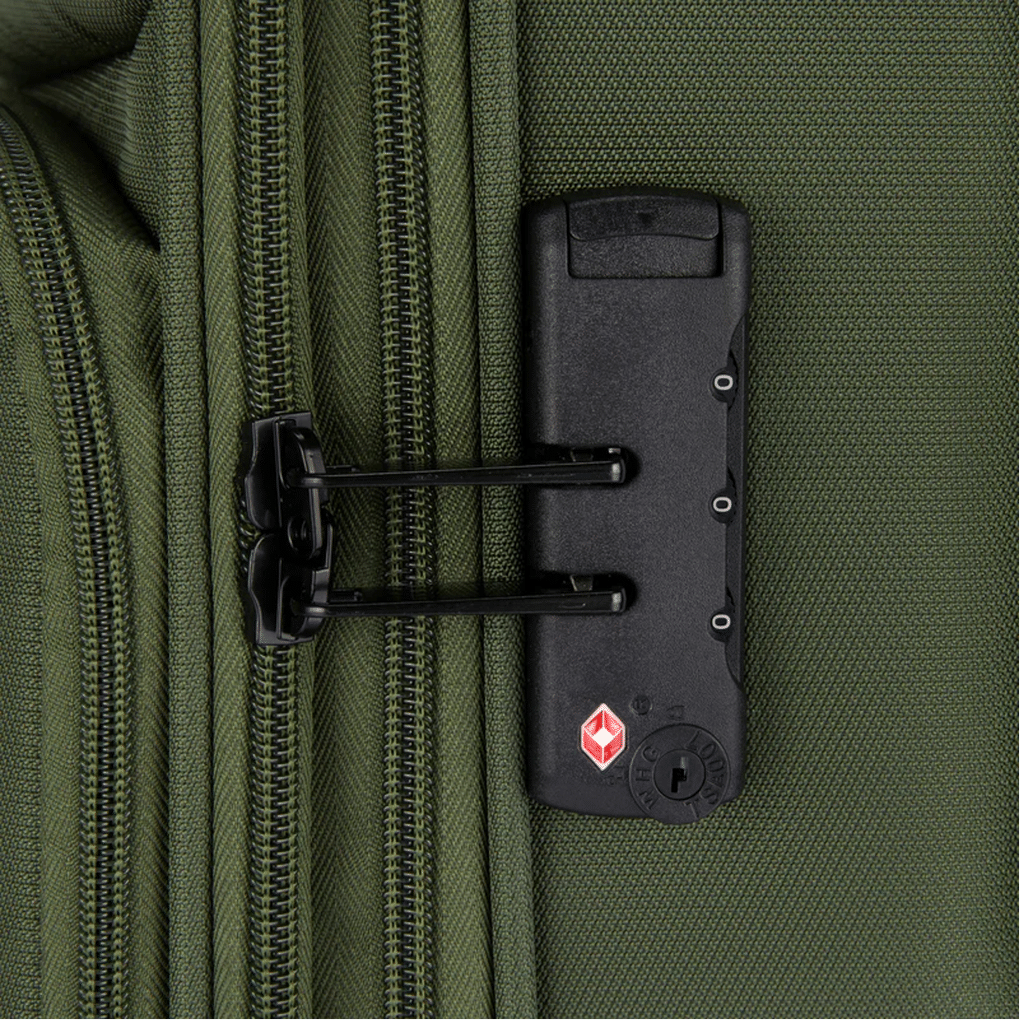
Telling a TSA-accepted lock compared to an ordinary one takes seconds, once you know what to look for, and once you’ve seen it, you will see it everywhere. Look for the Red Diamond symbol on the lock itself and a short code such as TSA007 near the keyhole.
What are TSA-accepted locks?
TSA-accepted locks are dual-access luggage locks that you can open with your own combination code and that airport security officers can open using a dedicated Travel Sentry tool. TSA stands for the Transportation Security Administration, the US agency responsible for security screening at American airports. A TSA lock is simply one that screeners are equipped to open, which lets them inspect your bag and re-lock it without damaging the lock or your luggage..
Every lock carrying our Red Diamond has been approved by Travel Sentry, after undergoing rigorous testing to ensure it is built to our robust standard. It is then accepted by the TSA and security agents internationally. You’ll often see the terms “TSA accepted” and “TSA approved”, but these refer to the same idea: a lock that screeners are equipped to open.
An ordinary padlock, no matter how sturdy, doesn’t work this way. Screeners have no way to open it, so if your bag is flagged for a hand search preflight, the lock may simply be cut off.
How do TSA-accepted locks work?
TSA-accepted locks work because screeners at participating airports are trained and equipped with the tools to open them. The Travel Sentry system was founded in 2003 and now security screeners at checkpoints in 850 airports in 80 countries are equipped with secure tools and training, provided by the Travel Sentry team, so a lock built to our standard can be opened for inspection and secured again before your bag continues its journey. A bag with a TSA-accepted lock stays secure for the whole journey.
Each lock is matched to a specific tool by its code, which keeps the process quick:
- Lock: You lock your luggage as normal
- Select: Security selects the bag for inspection
- Inspect: The security screener opens the lock with the matching tool, checks the contents and relocks the bag
- Continue: Your bag carries on with the lock intact, keeping your belongings secure
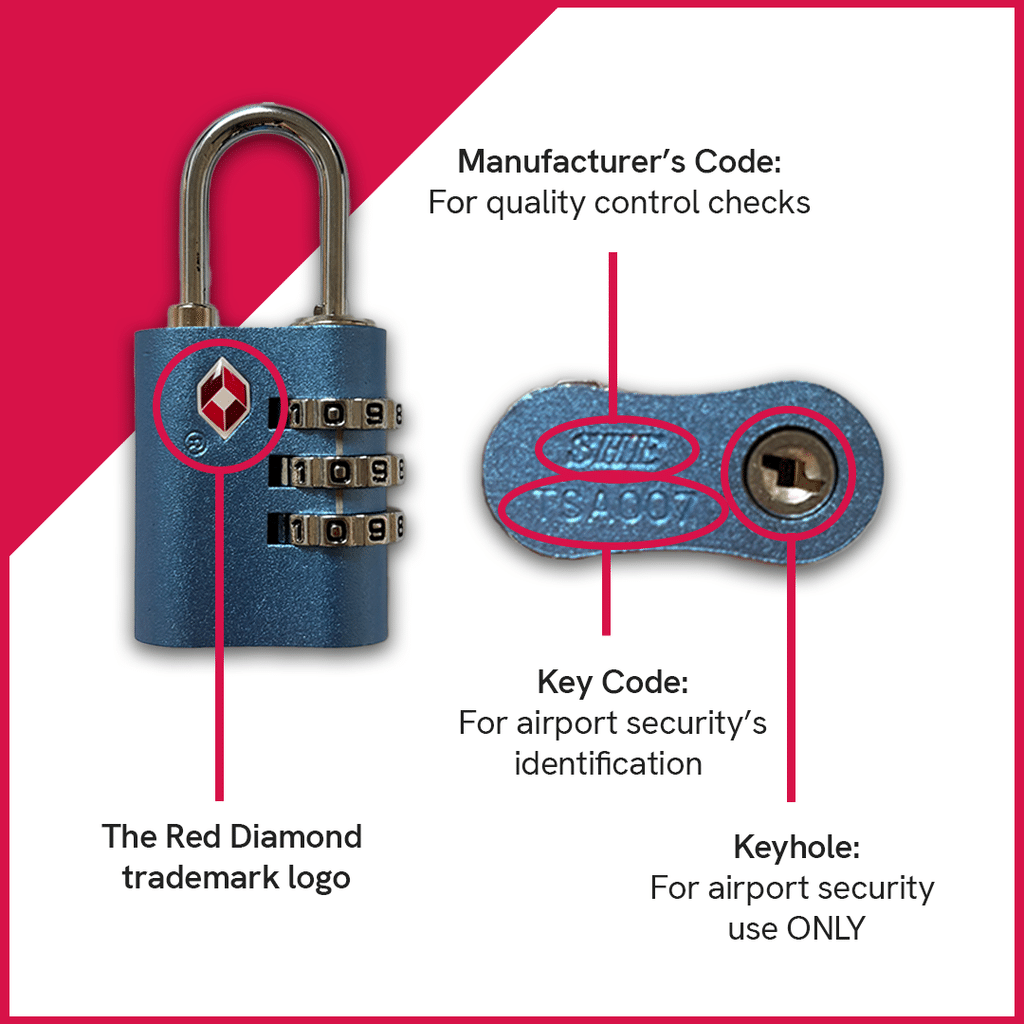
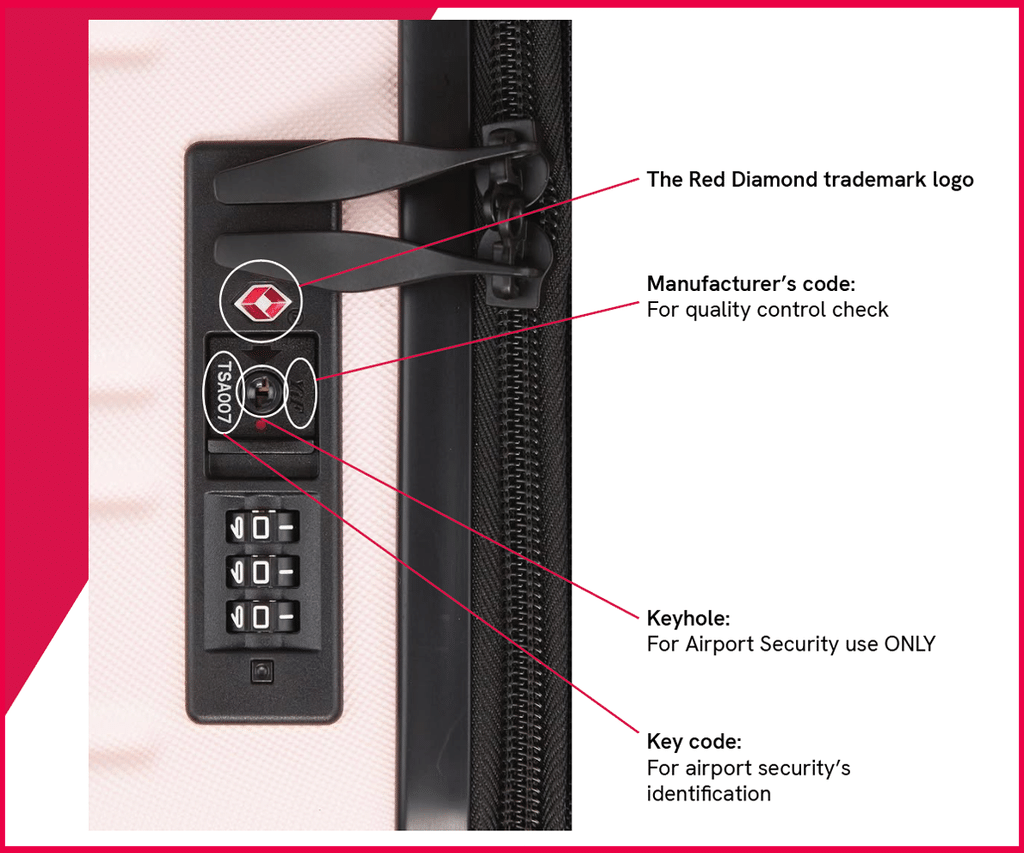
TSA-accepted lock symbol: Look for the Red Diamond
The TSA-accepted lock symbol is a small yet distinctive red diamond. It tells security officers, and you, that the lock can be opened with a Travel Sentry tool.
You should also look closely around the keyhole of a TSA accepted lock and you’ll usually see a short code, such as TSA002 or TSA007. This code tells the screener which Travel Sentry tool opens that particular lock, so they can pick the right one quickly and get your bag moving again. The lock will also have the 3-letter manufacturer on it.
Where to find the TSA accepted lock symbol:
On a padlock
On a built-in luggage lock
On the packaging
Retailers and brands display the mark on boxes and hang tags, but always check that it appears on the lock too:
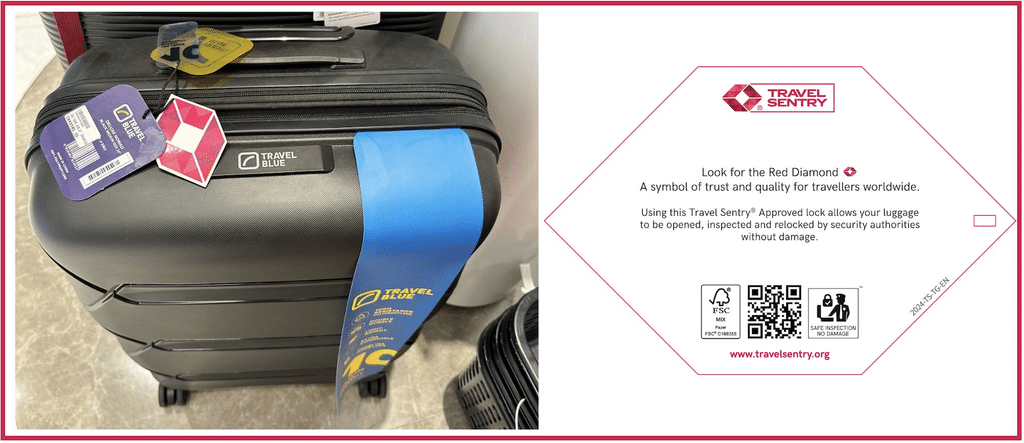
If you can’t find the Red Diamond anywhere on the lock itself, treat it as a standard lock. A lock with the Red Diamond and a visible code is a strong sign you’re holding the real thing.
How to buy TSA-accepted locks for luggage?
Buy TSA accepted locks for luggage from established brands and reputable retailers and always check the Red Diamond is on the lock and not just the box, as unfortunately, not every lock that claims to be Travel Sentry accepted on the label is the genuine article. Imitation locks sometimes copy the look of the Red Diamond or print “TSA accepted” on the packaging without meeting our standard. Screeners’ tools won’t open these locks, which means you could still end up with a cut lock and a damaged zipper.
To stay on the safe side:
- Buy from established luggage and lock brands and reputable retailers – we have over 600 brands licensed with us.
- Be cautious of unusually cheap, unbranded locks sold in multipacks online.
- Check that the Red Diamond is clearly printed or molded on the lock, not just the box.
- Look for the lock number and manufacturer code near the keyhole.
Shopping for a new TSA-accepted lock or suitcase? Visit our TSA lock page to see which of your favorite brands are licensed to sell Travel Sentry approved luggage locks.
TSA-accepted locks FAQs
Can you use TSA accepted locks for international travel?
TSA accepted locks are suitable at international airports where screeners are equipped with Travel Sentry tools. As a global standard, we cover 850 airports in 80 countries. Screening procedures vary by country and airport, so our TSA accepted lock gives you the best chance of keeping your lock intact, but it is not a guarantee at every airport worldwide.
How do I lock my luggage?
To set a Travel Sentry-approved combination lock, turn the dials to the factory code 0-0-0. Press and hold the reset button with a pen until it clicks, then dial your code. Slide the lever across to save it. Test that the new code opens the lock, then seat the zipper pulls and scramble the dials to lock your bag.
Forgot Your Combination on Your TSA Lock?
If you forget your TSA lock combination, you don’t need to break the lock. Most TSA locks use a three-digit code, so there are only 1,000 possibilities. Start at 000 and try each code in order while gently pulling the shackle. This usually takes 15 to 30 minutes. Once the lock opens, reset it to a new, memorable code.
How do I reset my lock code?
To reset a TSA lock, open it with your current combination and find the reset button, pinhole, or sliding switch. Press and hold it, dial your new code, and slide the lever across to save. Test the code before traveling. If you’ve forgotten your current code, recover it first. TSA locks have no backup key for personal use.
Do TSA-accepted locks come with a key?
Combination TSA locks don’t come with a key. The keyhole on a Travel Sentry-approved combination lock is for airport security, not passengers. If your bag is selected for inspection, security agencies use accepted secure tools to open it, inspect it, and relock it without damage. Travelers never receive a key and always use the combination dials.
Related Articles
October 2026
Damaged Passport on Holiday: What to do before you fly home
What do when your passport is damaged on holiday and how the replacement process works.
Read More
September 2026
Flight Cancellation Compensation: What Are Your Rights?
Find out your flight cancellation rights and how to claim compensation.
Read More
September 2026
Can You Take Power Banks on a Flight?
Learn airline specific rules for carrying power banks on flights and battery capacity limits.
Read More