 Back to all articles



What Happens to Luggage After Check In
We are going to look at the journey your hold luggage takes once you have checked it in at the bag drop or check in gate. Understanding this helps explain why choosing a Travel Sentry-Approved lock is an important consideration when choosing your luggage for your next big trip.
What happens if something in your locked suitcase is flagged during screening and airport security needs to open it, while you’re browsing the duty free? This guide explains how to keep your luggage secure, so it doesn’t arrive on the baggage reclaim carousel wide open for everyone to see.
Check-in and baggage tagging
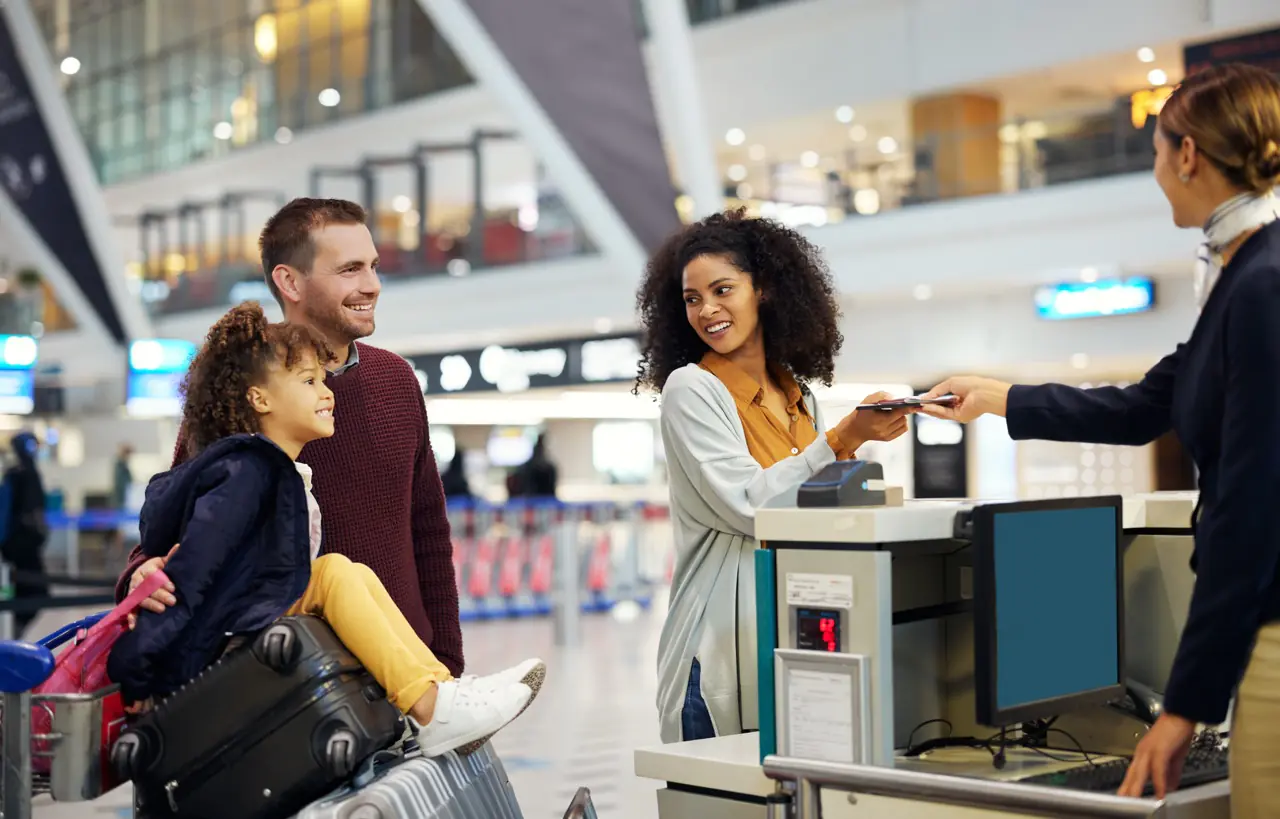
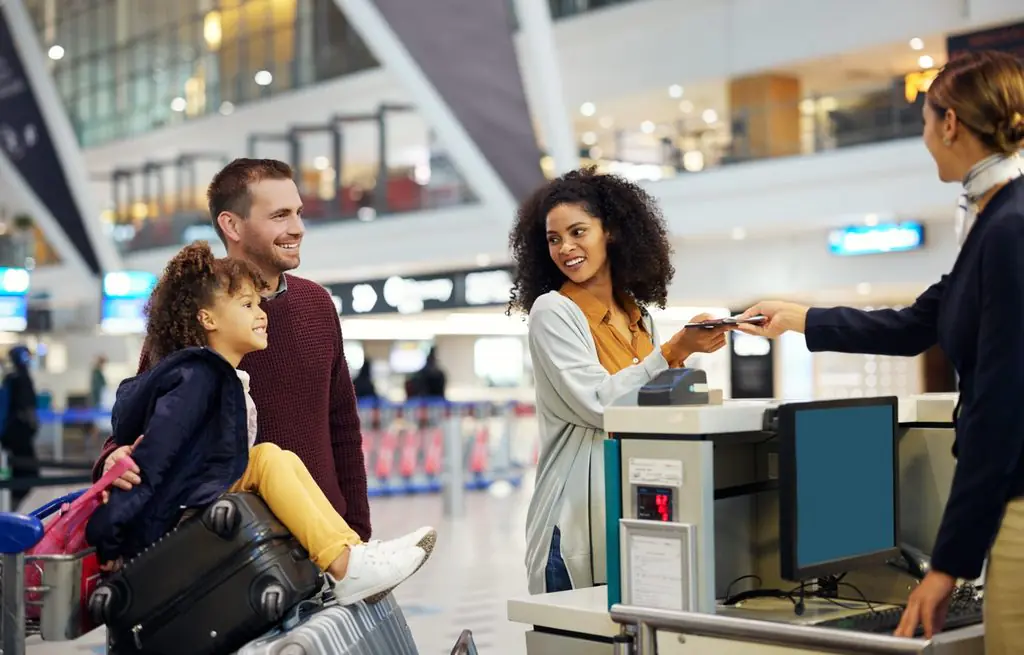
The airline attaches a baggage tag to a checked bag, creating a link in the system between your bag and your journey and destination. The bag then enters the airport’s baggage-handling system, where scanners, conveyor belts and automated sorting equipment help direct it toward your flight.
From this point on, much of the handling takes place behind the scenes.
Security screening
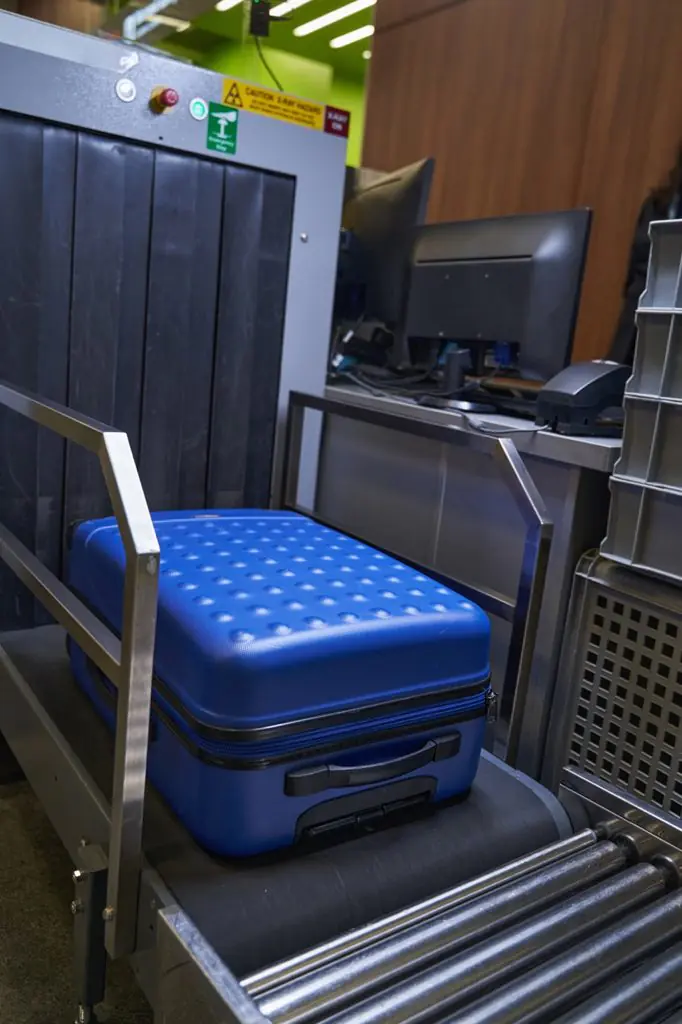
Before your checked bag is loaded onto the plane, it must undergo the required security screening. These scanners are used to identify luggage that may require further examination.
If your bag is flagged for additional inspection, authorized security agents may need to open it to search its contents. This preflight screening happens without you present, meaning, if locked, security agents need to be able to get in. This is the process for airports globally, with China and Thailand updating their procedures and legislation in 2026.
What can flag a checked bag for inspection?
Fair question! Most manual inspections are triggered by items that are either prohibited in the hold or difficult to identify on an X-ray image. Common examples include:
- Spare lithium batteries and power banks: Under International and US FAA rules, spare batteries and power banks are not allowed in checked bags because of the fire risk. Here’s some more information about why power banks can’t go in checked luggage.
- Dense electronics and cables: Tightly packed devices, chargers and cords can obscure an X-ray image, which may lead security officers to search the bag to understand what is inside.
- Aerosols, self-defense sprays and high-strength alcohol: Toiletry aerosols are allowed in limited quantities, but non-toiletry flammable aerosols such as spray paint are not and drinks over 70% alcohol by volume are banned outright. U.S. rules allow one small pepper spray in checked baggage, but international aviation regulations prohibit self-defense sprays entirely.
- Large quantities of powders or dense food: Bulk protein powder, spices or dense food items can appear as opaque masses on scanners and may need to be checked by hand.
- Tools, sharp objects and sports equipment: Items such as hiking poles and heavy tools are usually allowed in checked bags, but their shape and density can prompt a closer look. Firearms and other regulated items must be declared to the airline.
Your bag can also be opened for routine checks, which is exactly when the dual access TSA lock is the one you should be using.
If your lock cannot be opened using a secure tool, security agents may need to cut the lock or fastening off to access the suitcase, if it needs to be searched by hand. This can result in a damaged lock or suitcase greeting you at your destination, risking damage or loss of its contents.
The benefits of a Travel Sentry-Approved lock
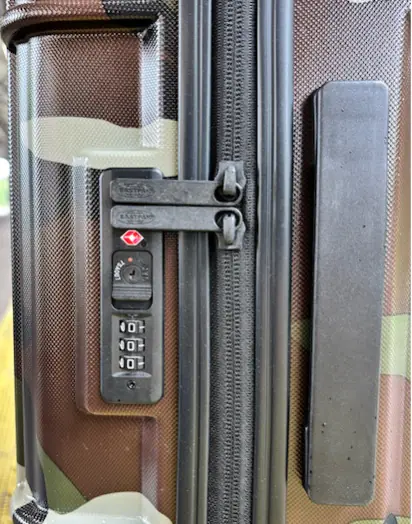
Travel Sentry Approved locks have a dual access system, which allows authorized security officers to open the lock using a secure tool, inspect the luggage and re-lock the bag.
This means the lock can remain intact following a routine inspection at over 850 airports using the Travel Sentry system, helping reduce the risk of damage caused by forced access. At airports where the system is implemented, security agents are trained to spot the Travel Sentry Red Diamond and then using the correct tool to open the suitcase, before searching the contents and relocking the bag.
Onto the airplane
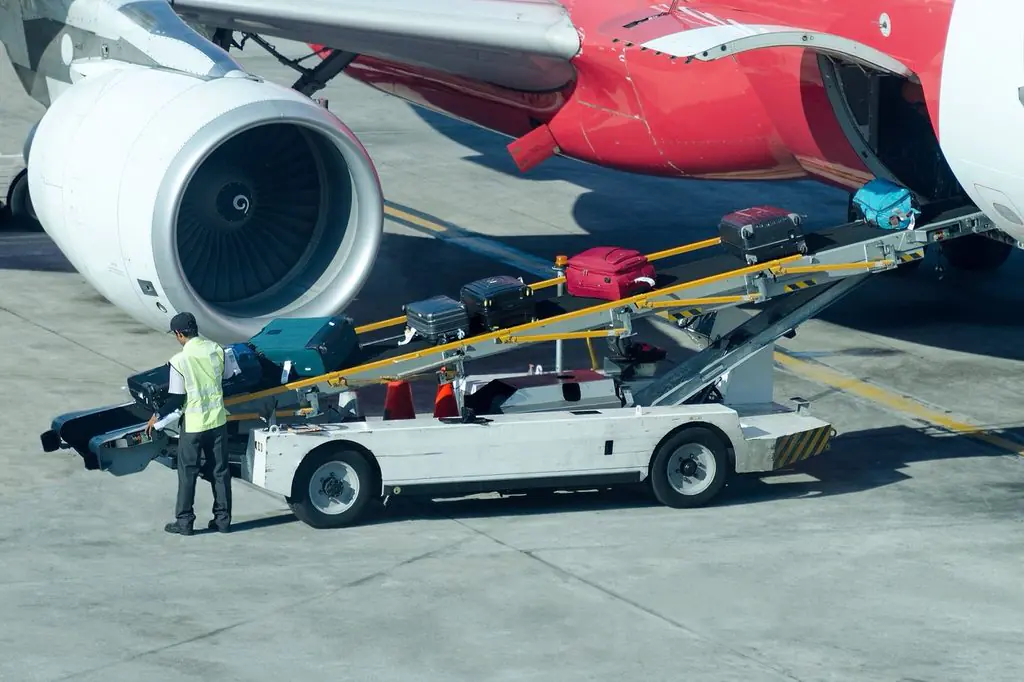
Once the necessary screening procedures have been completed, your luggage is sorted for its flight and transported to the plane and ground-handling staff load the bags into the hold.
After landing, your bag is unloaded and transferred to the airport’s arrival baggage system or, if you are getting a connection, to the next flight. Eventually, your suitcase reaches baggage reclaim and the carousel, where you can collect it and continue your onward journey.
A luggage lock may be a relatively small component of a suitcase, but it plays an important role in your overall travel experience.
Related Articles
November 2026
How to Keep Your Luggage Safe while Traveling
Tips on how to stay vigilant and keep your belongings safe when in the airport.
Read More
October 2026
Can You Bring Slime through Airport Security on a Plane?
Here's a quick guide to container limits, squishy toys and the flight home.
Read More
October 2026
Damaged Passport on Holiday: What to do before you fly home
What do when your passport is damaged on holiday and how the replacement process works.
Read More