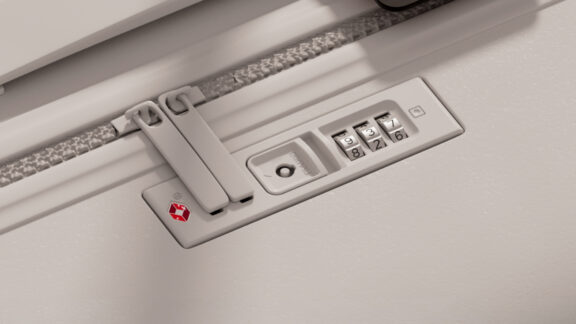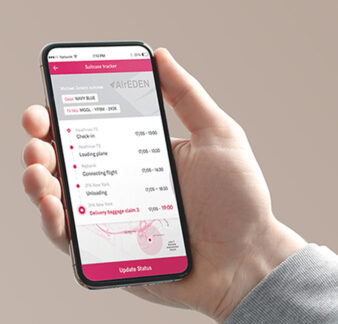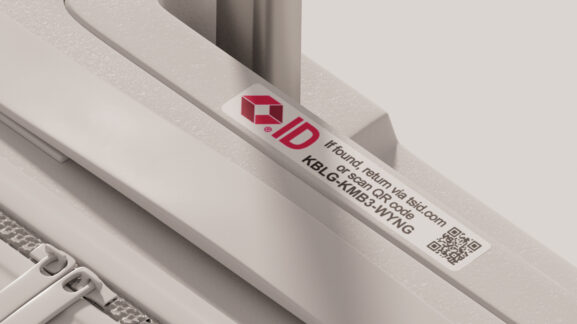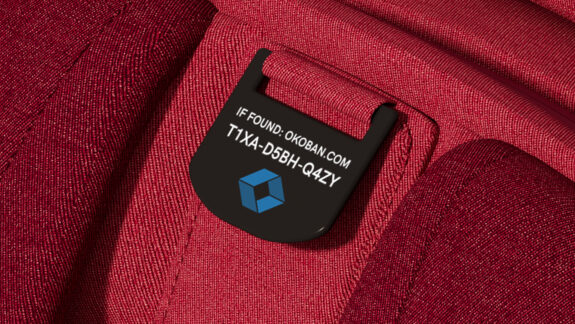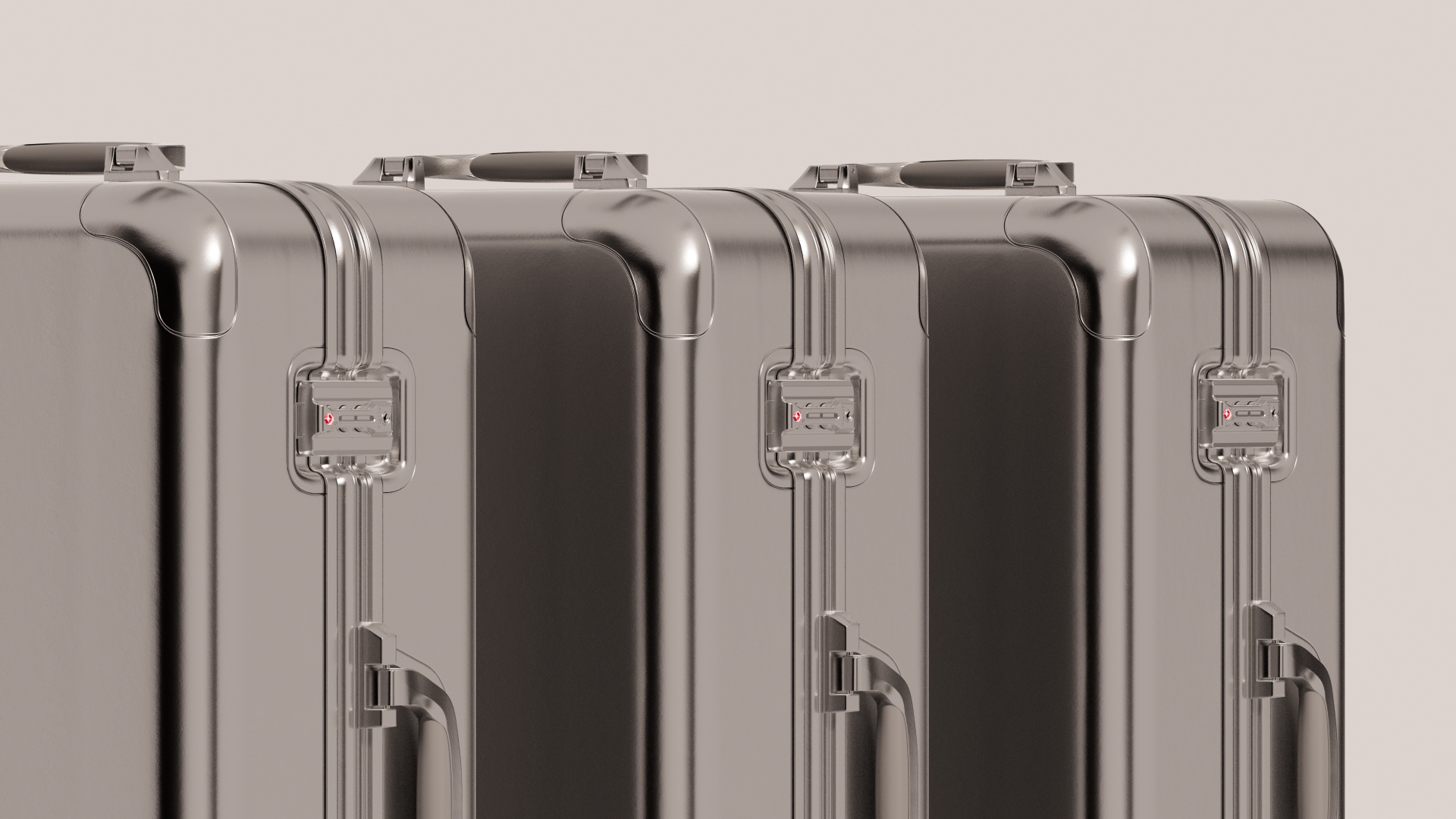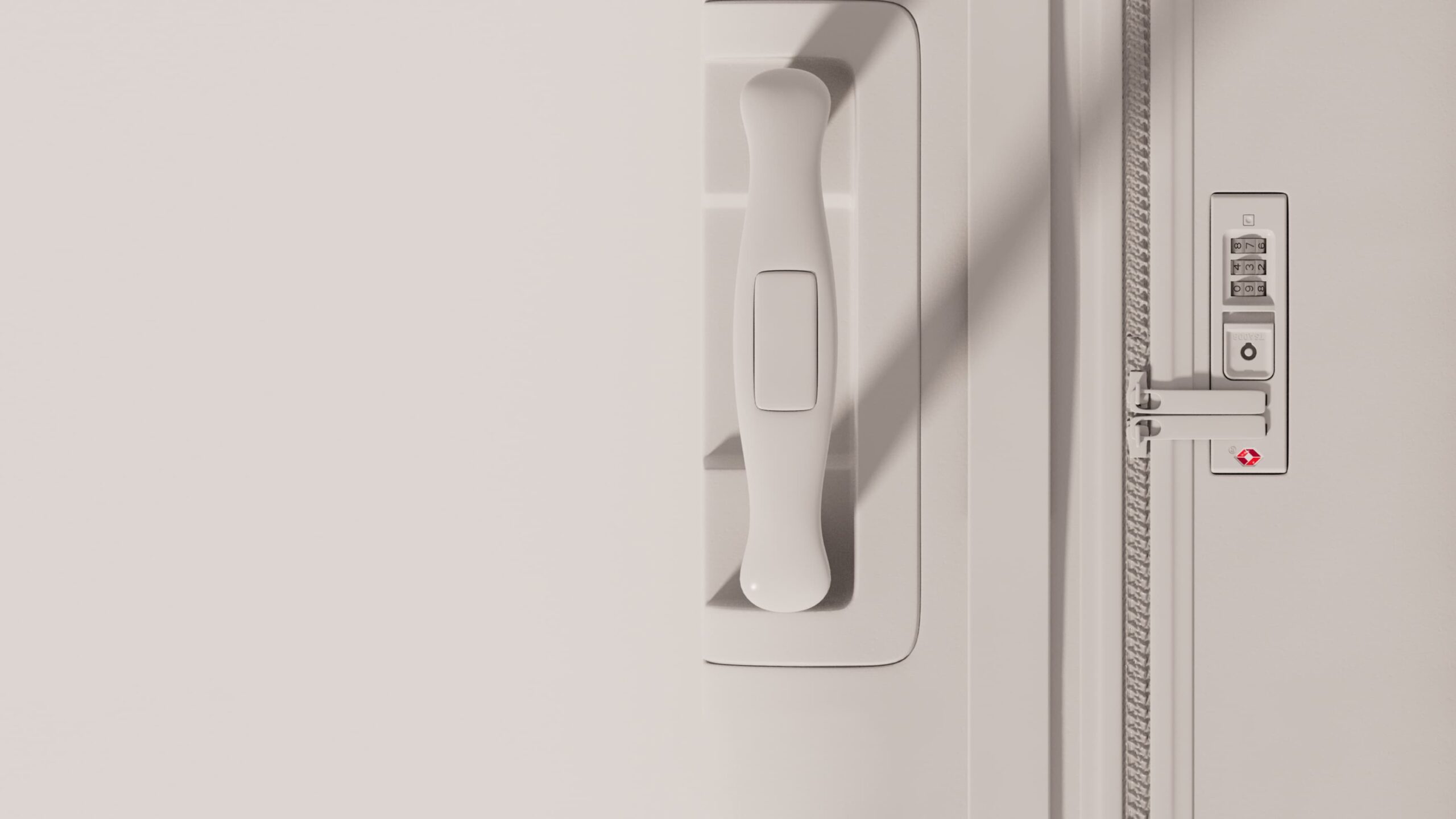
Leading baggage and travel accessory manufacturers have joined together to use the special Travel Sentry® mark on baggage that meets the requirements of the TSA.
Airline check-in staff are being trained to recognize the Travel Sentry mark too so that they understand that baggage with this special mark is permitted to remain locked.
The TSA screeners have access to special tools that allow them to open baggage in the event that they must be opened for inspection.
Travel Sentry products are widely available at thousands of retail locations around the world including some of the world's largest retailers. They are also available from many online merchants.
Click here to find a store carrying Travel Sentry® Approved products near you.
There are more than 1000 different lock models and not all locks work the same but many share the same basic steps when setting a combination.
Here are some tips to help overcome common problems when setting or resetting a combination lock.
Make sure you line up the dials in the "correct" position. The "correct" position is usually indicated by vertical lines, a line of dots or a set of "windows". The factory "default" setting on all combination locks is 0-0-0 or 0-0-0-0

When resetting a shackle lock it is critical that you press down ALL the way on the shackle at the reset position (either 90 or 180 degrees rotated away from the locked position). Some lock types require you to push down and then turn the shackle to the reset position – not getting the shackle fully to the reset position is one of the biggest causes of a combination setting going wrong.

When resetting a cable or strap lock make sure you have pushed the reset button or bar ALL the way down and keep it firmly depressed when changing the combination.

Yes. As of today, only the US TSA tells passengers that if their bags need to be opened for inspection that they may cut the locks if they are not Travel Sentry® Approved. When you travel internationally, use your Travel Sentry lock as you would any luggage lock to protect your belongings and peace of mind.
When you leave the US the TSA can inspect and relock you bag. Wherever you travel you can use your Travel Sentry lock to help protect your property.
When you fly to the USA, and are connecting to a domestic flight you will first clear US Customs. When you exit Customs your baggage generally will be rechecked for you on the connecting flight. This is where the TSA will screen your bag and with a Travel Sentry lock they can open your bag, inspect it and relock it before it goes to the airlines.
No. Travel Sentry has set an industry standard which luggage and lock companies can use. Each luggage and lock manufacturer is free to design their own products provided they meet the requirements of the Travel Sentry system.
If this was done by the TSA the cut lock may be left inside your baggage but they should always include a Notification of Baggage Inspection. If this notice is inside your baggage and the lock has been damaged or destroyed contact the company you purchased the lock from – most will replace it free of charge.
If you believe this was NOT done by the TSA then you should file a claim with your airline as soon as possible. Some locks are broken off as a result of rough handling in the airport conveyor belt systems. There are time limits for filing claims with the airlines so do not delay.
Unfortunately there is no simple way to open your lock or reset the combination if you forget the combination. Some specialty baggage repair facilities or professional locksmiths have the know-how to do this. In the USA a good resource for locating a luggage specialist by area is the American Luggage Dealers Association web site. Please visit their Member Stores listing for a specialist near you.
If you have trouble setting your combination or other difficulties contact the manufacturer or the company you bought this from. They may be able to help.
Unfortunately there is no simple way to open your lock or reset the combination if you forget the combination. Some specialty baggage repair facilities or professional locksmiths have the know-how to do this. In the USA a good resource for locating a luggage specialist by area is the American Luggage Dealers Association web site. Please visit their Member Stores listing for a specialist near you.
There are two likely reasons a lock is broken during air travel:
Baggage handling systems (conveyor belts and other automated systems) and manual handling all take a toll on your baggage and your lock. The airlines are responsible for damage that exceeds the definition of "normal wear and tear". File a claim with your airline without delay.
TSA Security Officers inspect more than 2 million pieces of baggage every day. It is faster and easier for them to open your Travel Sentry locks using their special Travel Sentry tools than it is for them to cut or break open a lock. However, it is rare but possible, that the TSA may have to cut open a Travel Sentry lock if it has been damaged or malfunctioning in some way. Should this occur, TSA is not liable for damage to your lock.
Look for the Notice of Baggage Inspection form from the TSA inside your bag. If your lock is damaged and there is a TSA Notice inside the bag, contact the Brand that you purchased. Most Brands participating in the Travel Sentry system will replace locks under these circumstances.
If a TSA Notice is not inside your bag, it is likely that airline handling is the cause of damage. File a claim with your airline without delay.
There are two likely reasons a lock is missing after air travel:
Travel Sentry, working with the TSA, has identified that most instances of missing locks are a result of airline baggage handling. Locks can be torn off when caught in conveyors belts or from centrifugal force when baggage is ejected by baggage "pushers" which are part of many automated conveyor systems. Often the weakest links are the zipper pulls on baggage – not the locks themselves. Travel Sentry recommends buying baggage with "kissing sliders" which hold the lock much more securely and minimize the effect of airline baggage handling. When rough airline handling is suspected you should file a claim with your airline without delay.

There are instances when a TSA Screening Officer has failed to replace a lock removed in order to open the bag for screening. Look for the Notice of Baggage Inspection form from the TSA inside your bag. If your lock is missing and there is a TSA Notice inside the bag, contact the Brand whose product you purchased. Most Brands participating in the Travel Sentry system will replace locks under these circumstances.
Please contact the shop or brand from where you bought your Travel Sentry bag or lock. You may contact the brand for assistance – just click on the link in our Brands list.
Less than 1% of the four million pieces of airline baggage checked every day are "lost." The bad news is that this means that up to 40,000 bags may be mishandled daily. The good news is that most of these will be located and returned to their owners within 24-36 hours.
What can you expect your airline to do for you?
FIND – The last airline you traveled with on your itinerary is responsible to locate your baggage. If you arrive at your destination, and your checked baggage does not, go immediately to the airline baggage services office in the arrivals area and file a claim with your airline.
DELIVER – If the airline was responsible for losing your bag the airline will usually deliver it to you at their expense.
INTERIM EXPENSES – Also known as "First Needs" or "Out of Pocket" expenses. Very few airlines will offer to cover the costs of items you need while your baggage is lost. Usually you have to ask. You are more likely to be compensated if you flew in First or Business Class, or are an elite member of the airline's frequent flier program. If you are arriving at your "home" airport most airlines will refuse interim expenses.
Why do bags go missing?
Well over half of all baggage which is reported as "lost" is actually baggage which did not make the transfer between connecting flights. Most of these bags are delivered on later flights. Some airlines and some airports are much better at managing this problem than others.
Other reasons baggage goes missing include:
The bar code baggage tag could not be read by the automated airline baggage handling system and the baggage was delayed due to "manual" handling. Often more than15% of these tags can not be read by the automated "readers".
The baggage missed the originating flight because the passenger checked-in late, the baggage was delayed in security screening (often because a non-TSA lock was used), or the airline accidentally left the bag behind.
A small percentage of bags go missing when taken in error by another passenger at the baggage claim area. Protect yourself. Put distinctive markings, tags, ribbons or tape on your bag. Make yours look different.
Damaged baggage is an unfortunate fact of travel. The airlines typically view baggage as a container meant to protect your belongings during travel. This is why they take no responsibility for "normal wear and tear" to baggage; similar to the post office who takes no responsibility for soiled or torn packages.
Here is what most airlines consider "normal wear and tear"
Broken wheels or feet
Lost pull straps
Minor cuts and scratches
Damage resulting from over packing
Damage to retractable baggage handles
Fragile or perishable items damaged during transport
Items unsuitably packed or unsuitable for transportation
Damage resulting from Transportation Security Administration (TSA) inspections
That still leaves a number of cases where damage is beyond wear and tear, is not normal, and is a direct result of poor handling by the airline. As always, it is best to report this damage to the airline immediately (before you leave the airport) and always within 24 hours.
What can you expect your airline to do for you?
DAMAGE – If the airline accepts responsibility for damaging your bag the airline will usually take responsibility for repairing it for you. Often this is done at a central repair facility so you may be without your bag for some time while repairs are made.
REPLACEMENT – Often it is easier and cheaper for the airline to simply replace your bag. You may need to negotiate with the airline to avoid being given a "generic" replacement bag from their supplier. You can try to offer to buy an identical replacement bag and pay the difference yourself for the "better" bag so long as the airline contributes to the replacement cost.
How to avoid baggage damage?
The first rule is to buy good baggage appropriate to your needs. See Help with choosing the right baggage below.
The second rule is to not over pack. Heavy baggage is not easy to handle and is more likely to get dropped and abused. Heavy contents put an extra strain on the handle, the frame and even the locks.
The third rule is to either not pack liquids (which is difficult because you can not carry these on) or at least to pack these liquids with two points in mind:
Liquids can break open. First wrap any liquids in materials which can help protect these containers from shock and which can help absorb the liquid if the container does break or leak. Next, wrap all of this in at least one layer of heavy plastic (like a trash or rubbish bag) and tie it closed in a knot – do not rely on a drawstring.
Liquids can leak. Because of the difference in air pressure at altitude versus ground level there is relatively greater pressure inside a container of liquid during flight. This may cause anything but the most tightly closed and sealed containers to leak. First make sure that the lid or cap is secured tightly before you pack. Next, follow the precautions outlined above to contain the leak should it happen.
When you turn your baggage over to an airline you might be surprised to know how many different people have access to your baggage during handling.
Between check-in and the aircraft, baggage goes through security screening. While it is possible that items can "go missing" at this stage, the fact is that the screening areas are usually well supervised. Many are under video surveillance (for the protection of the screening officers and the TSA) and the time each bag is with TSA is usually a matter of minutes if not seconds.
After security screening, baggage goes to the "make-up" area for your flight. Here baggage is now under the airline's control and is loaded into containers or on carts which then are moved to the airplane. Here there are often opportunities for baggage handlers to get inside baggage without being seen.
Baggage is again vulnerable when it is, loaded into the aircraft where workers have access to the baggage inside the cargo hold or "belly" of the aircraft.
This entire process is repeated during connections and at arrival at the final destination.
It is important to note that today baggage handling has been outsourced to third party contractors at many airports and many airport workers are not airline employees with little loyalty to the airline you are flying.
Many people handle your baggage and there are many unsupervised opportunities to steal. If this happens, you most likely will not even notice it until you unpack your baggage – long after you have left the airport. Remember that you need to contact your airline immediately and certainly within 24 hours of arriving, to make your claim.
What can you expect your airline to do for you?
PILFERAGE – The airline probably will not even take the time to look for the missing item. The airline will also deny liability if the item has any significant value or was perishable. The airline will ask you to prove the original value of the item and if they accept responsibility will likely offer you less than you paid for the item because of depreciation (which means that things lose value with use and with age).
The airline baggage claims process generally work like this:
Regardless of the type of claim (lost, damaged or pilferage) the airlines require that problems be reported as soon as possible. In practice this means before leaving the airport. Technically, most airlines' "Contract of Carriage" requires this initial claim to be filed within 24 hours of flight arrival for domestic flights and within 7 days for international flights.
The purpose of the claim is initially to try and fix the problem; to find a lost bag or a missing item for example. When it is clear that the missing bag or items have not been found, or that a bag requires repair, the claim form serves a second purpose – to provide information for settling the claim.
Claims forms usually ask for a lot of detailed information including where specific items were purchased, the original price and when purchased. Claims Agents use this information to calculate a settlement offer. They will exclude the value of items which are valuable, perishable or fragile as these are not covered in the "Contract of Carriage". The Claims Agent will also usually depreciate the value of an item based on its age and use. This means that a claim for items totaling over $1,000 when new could be valued at a fraction of that based on the nature of the items and their age.
These claims forms should be submitted as soon as possible but usually not later than 21 days after travel. Late claims can be denied by the airline.
An airline might ask for additional information – if so, do not delay in replying as this also could be grounds for denying your claim.
Typical airline baggage claims are settled within one to three months time.
The TSA has its own Claims Management Office at TSA headquarters in Arlington, Virginia (near Washington, DC). Access the TSA Claims Management Office website for specific information and forms.
Currently the TSA Claims process requires completing forms and submitting these by mail along with supporting receipts and documents. The TSA Claims site includes:
overview of the TSA claims process
forms required to file a claim
answers to a number of TSA specific FAQs
track the status of an existing claims with TSA online
There are trends and fashions in baggage just as there are in clothing. Thirty years ago almost all baggage was hard-side. Since then the trend has been to soft-side or zippered baggage (up to 70% of baggage was zippered baggage in 2003). Today, with lighter materials and new construction, hard-side baggage is making a comeback. What are the benefits of each?
Hard side
Pro – Hard side gives better protection against theft (they are harder to break open), protection against crushing the contents and the best protection against water (baggage is frequently left in the rain at airports and a hard side bag will offer much more protection than a soft side or material based bag).
Con – because the sides are not flexible hard side bags are harder to "stuff" those extra purchases into. When the bag is full it is full. There is not much margin for error.
Comments:
there are many new hard side bags with a comparable "empty" weight to soft side bags. So the weight issue is no longer such a big factor in choosing between the two types.
A typical airline baggage container (those aluminum boxes you see being loaded on the airplane) holds about 35 bags. Bags average between 20 and 40 pounds or 10 to 20 kilos each. If your bag is loaded first it could have more than 200 pounds or 100 kilos of baggage on top of it for the whole flight. That fact, plus the overall protection against theft and rain damage, means that more experienced international travelers use hard side bags.
Soft Side
Pro – if you like to carry-on your baggage chances are you will have a better chance with most soft side models. If it is too big or the flight is too full it is still tough enough to go into the belly of the aircraft as checked baggage. It also helps that soft side baggage can expand more than hard side baggage when you pick up one too many purchases on a trip.
Con – Soft side bags are more vulnerable to theft – they are easier to get into than hard side baggage. And because most soft side baggage is made from material that "breathes" it can also absorb water if left outside in the rain which often happens with airline baggage.
Comments:
soft side baggage tends to be less expensive than hard side baggage
soft side baggage offers more flexibility in what can be packed because it can usually expand to take that little bit more.
For short trips and carry-on soft side baggage may be a good choice.
The airlines worldwide are changing their free baggage allowances. More and more airlines are starting to charge for every piece of checked baggage and most airlines now strictly limit what can be checked, even if an extra fee is paid.
Because each airline sets its own rules on baggage it is important to check directly with your airline to confirm your baggage allowance. This allowance can be different depending on class of service (First, Business or Economy), destination, aircraft and even time of year. See Travel Resources for a list of links to airline websites.
Just as weight limits are changing, so too are size limits now being enforced. Again, check with your airline to be sure.