 Back to all articles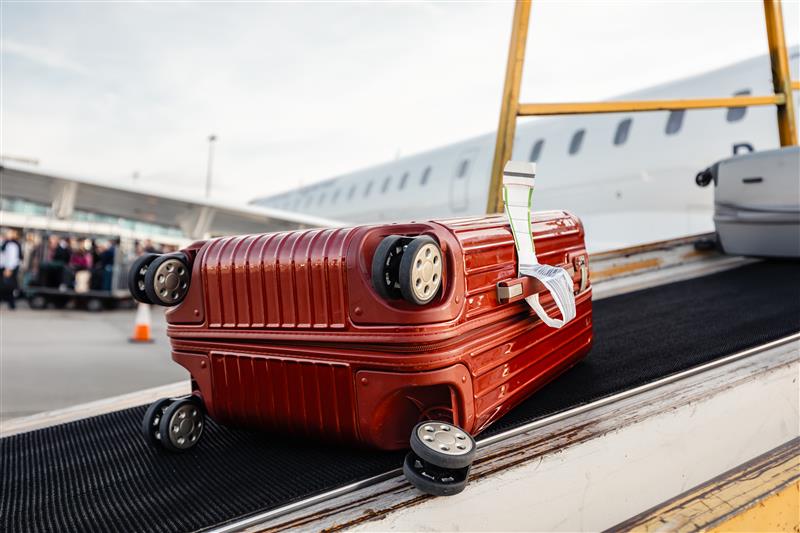
09 March 2026


In Defense of Hard-Side Luggage
In a recent blog, one of our team members made a thoughtful case for soft-side luggage, highlighting flexibility, expandability and lighter weight. Those are valid points. But there’s another side to this debate and it comes from firsthand experience on the front lines of air travel.
Here’s Travel Sentry founder John Vermilye making the case for hard-side luggage.
“I used to load luggage in a ULD, the wedge-shaped aluminium containers that go in the airplane hold, and there are more than 30 bags loaded. A soft-side bag will not do as well as a hard side.”
Inside a Unit Load Device (ULD), your suitcase becomes a Tetris piece. It is tightly stacked alongside dozens of others, subject to pressure, abrasion and contortion. Under those conditions, structure matters.
Hard-shell luggage maintains its shape under compression and is less likely to collapse inward when sandwiched between other bags. A rigid case distributes force more evenly, protecting both the shell and what’s inside.
Soft-side luggage can flex and that flexibility is often marketed as a benefit. But flexibility can also mean less protection for fragile contents. John travels more than most and rarely returns home with just clothes.
“There is no question,” he says, “that a hard-side case provides far more protection.”
If you’ve ever packed gifts, electronics, specialty foods or sports gear, you know how important that added rigidity is. For checked baggage in particular, impact resistance isn’t theoretical, it’s essential.
Aesthetics matter as well. Today, luggage is part of the overall travel look as much as it is a practical purchase. Hard-shell cases have grown in popularity not only for their durability, but for their clean, structured appearance and modern finishes. Hard-shell luggage is also straightforward to look after as a solid shell can usually be wiped clean with a damp cloth after a trip.
Wet. Wet. Wet.
Bags are transferred across open tarmac, loaded in changing conditions and exposed to the elements far more than most travelers realize. You drop your suitcase at check-in and don’t think about it again until it arrives at the carousel, potentially half the world away.
As John explains:
“I watched the summer rainstorms sweep across the airport in Miami every afternoon, knowing full well that we would get claims for wet luggage contents from the soft bags.”
Heavy rain, sudden storms and high humidity are realities in many parts of the world. While soft-side luggage can be made with treated fabrics or water-resistant coatings, fabric panels and stitched seams are inherently more vulnerable to water ingress than a solid shell.
Another consideration’s often overlooked: tropical climates. In regions with persistent humidity, moisture absorbed into fabric luggage can linger, especially if bags are stored without full drying. Over time, this increases the propensity for mold and mildew to develop inside soft-side cases. Hard-shell luggage, by contrast, does not absorb moisture in the same way, making it easier to wipe dry and maintain.
A well-constructed hard-side suitcase, particularly one with tight seals, offers an additional barrier between your belongings and the elements. For travelers carrying business clothing, important documents or electronics, that added protection can make all the difference.
Frame vs. Zipper: A Side Note Worth Considering
Even within the hard-side category, John notes an important distinction:
“Side note: for myself, I always choose frame cases rather than zipper cases for two reasons: security and water resistance.”
Frame cases eliminate the potential weak point of a zipper. While modern zippers are strong, they can be forced or split under pressure. A framed closure system adds rigidity and typically offers a tighter seal, improving both security and resistance to wet conditions.
Add a Travel Sentry-approved lock, and the security equation is complete, allowing bags to be opened and relocked by security authorities without damage.
What Are the Best Materials for Hard-Side Luggage?
Not all hard-shell luggage is created equal. The material determines durability, weight and performance.
Polycarbonate (PC)
Widely regarded as the premier choice. Strong, flexible and lightweight, polycarbonate can absorb impact without cracking which is ideal for frequent flyers.
Polypropylene (PP)
Extremely lightweight and durable, with excellent flexibility and impact resistance.
Aluminium
Highly durable and secure, offering maximum protection. Heavier and typically positioned at the premium end of the market.
ABS (Acrylonitrile Butadiene Styrene)
A budget-friendly option. Lightweight, but less durable than polycarbonate and more prone to cracking under significant impact.
(You can also explore our full material comparison guide here)
Team Soft or Team Hard?
As with most things in travel, there is no single right answer. Soft-side luggage has its place, particularly for travelers who prioritise expandability and lighter carry-on weight. (You can read our recent article In Praise of Soft-Side Luggage here.)
But from a durability, water resistance and protection standpoint, especially for checked baggage, hard-side luggage offers clear advantages.
If you’re still undecided, our complete guide to choosing luggage breaks down the key features to look for, from materials and closures to locks and mobility systems.
Choosing the Right Hard-Side Suitcase
If you’re thinking about switching to hard-side luggage, choosing the right suitcase can make your travel experience much smoother.
One of the first things to look for is smooth, multi-directional wheels. These make it much easier to move through busy airports, especially when your bag is fully packed. A strong telescopic handle is also important, helping you manoeuvre comfortably through terminals, security lines and crowded boarding areas.
Inside the suitcase, good organisation features can make packing far easier. Many modern hard-shell cases include divider panels, compression straps and zipped compartments that help keep everything in place while your bag is being handled, stacked and moved during transit.
Contact Travel Sentry Today
At Travel Sentry, our goal is to help make air travel simpler, safer and less stressful for travellers around the world.
We work closely with luggage brands, airports and security authorities to support smarter baggage screening. Our TSA locks allow security agencies to open, inspect and relock luggage when required, without damaging the lock or suitcase.
If you’re interested in learning more about Travel Sentry technology, approved luggage locks, or how our solutions support modern airport security, we’d love to hear from you.
Get in touch with the Travel Sentry team today to find out more about our products, partnerships and how we help improve the travel experience for millions of passengers every year.
Related Articles

March 2026
