 Retour à tous les articles
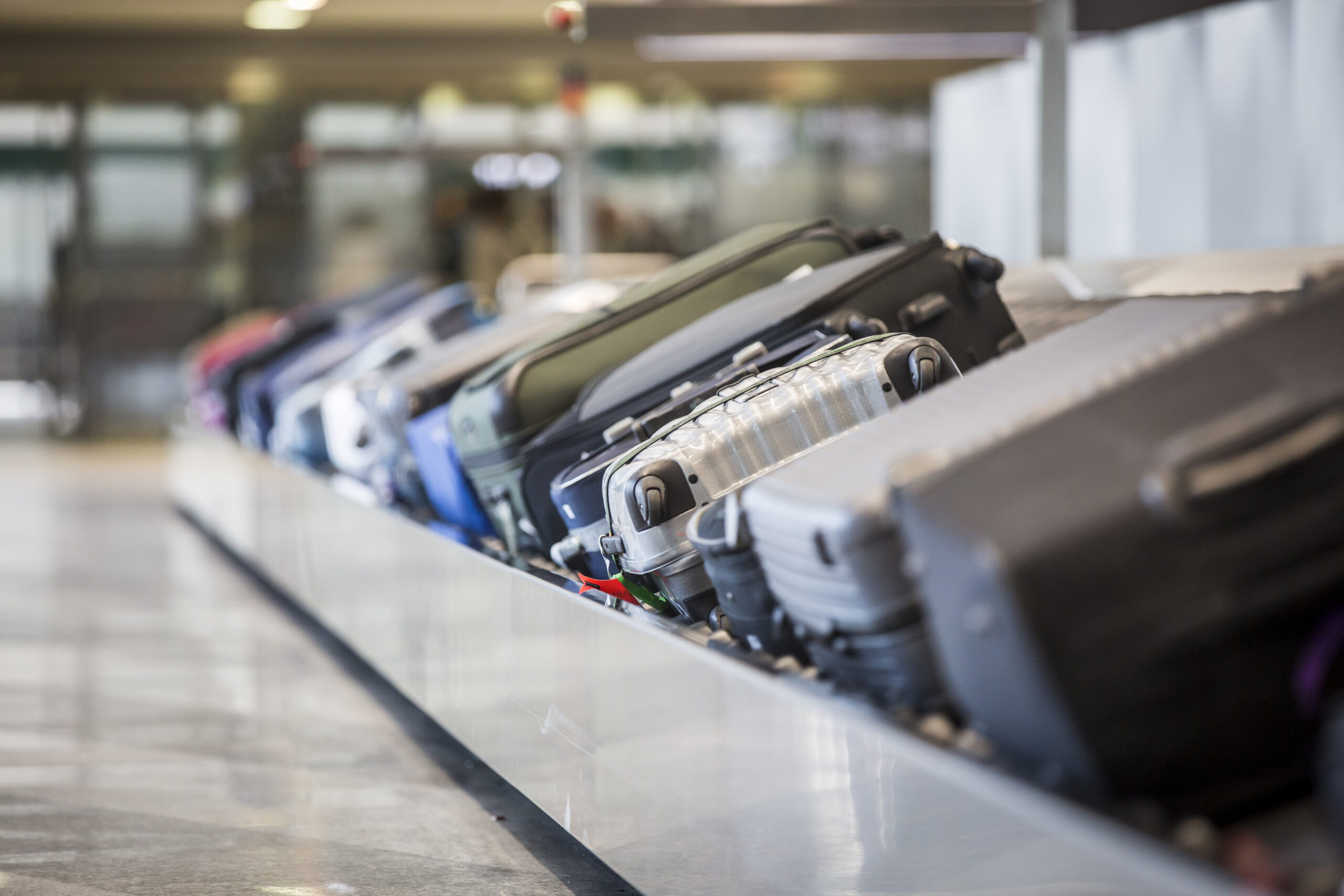


Comment assurer la sécurité de vos bagages pendant le voyage
Here are some steps to stay vigilant and keep your belongings safe when in the airport.
Devriez-vous fermer vos bagages à clé ?
Some travelers think that they should not lock their hold luggage which is a misconception that dates back to the security changes immediately after 9/11. While it was once true that travelers were advised not to lock their bags, this is no longer the case. The Transportation Security Administration (TSA) now suggests you lock your checked baggage with TSA-accepted locks, as well as security agents in over 80 countries.
Serrures acceptées par la TSA
All Travel Sentry locks are recognized and accepted by security agents globally, just look for the red diamond Travel Sentry symbol when shopping for these TSA Locks.
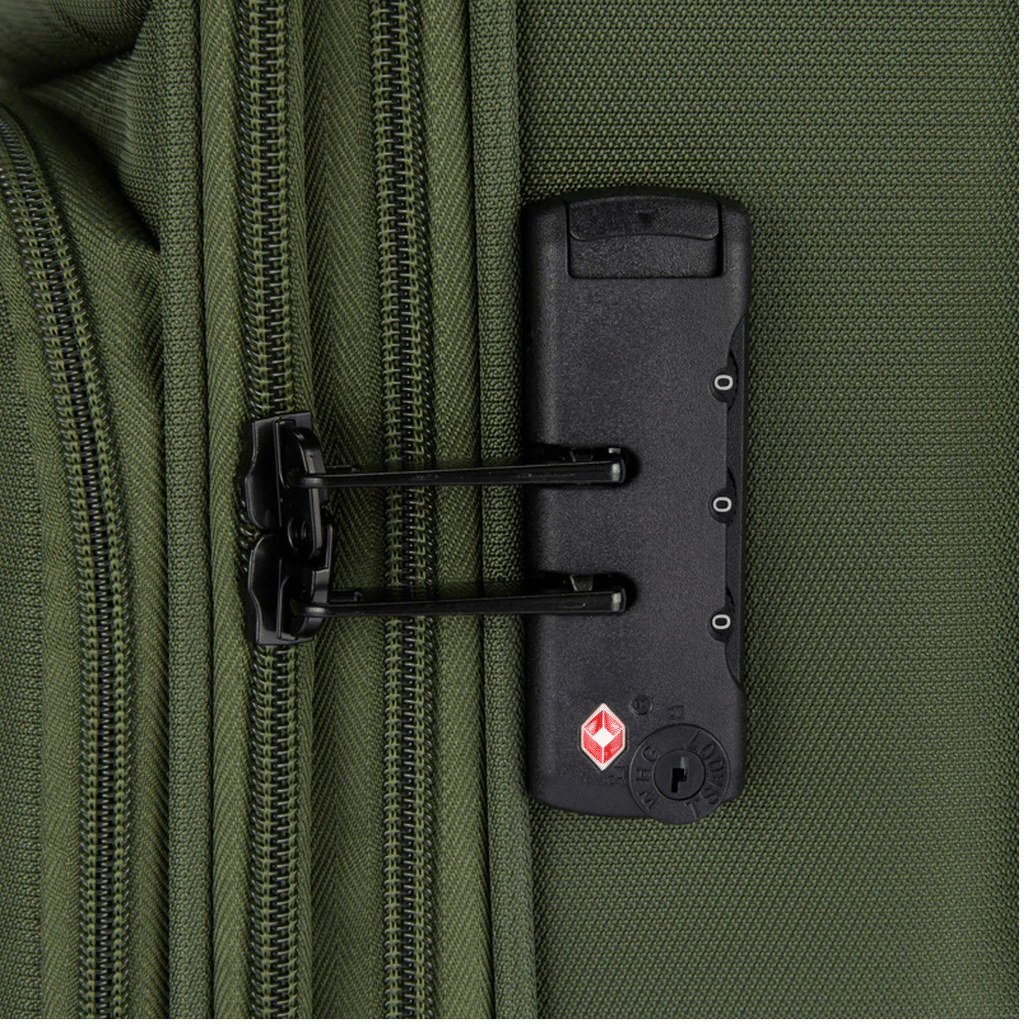
Checked bags are screened for explosives and other dangerous items before loaded onto a plane and a further physical search can be caused by any small issue picked up at screening or your bag could be selected for a random bag search.
Airport security agents have specialist tools, provided by Travel Sentry, to access the TSA-accepted locks and luggage. They can do this efficiently without damage, setting your mind at ease and speeding up the boarding process. Non-TSA locks and luggage may be broken into during the screening process if a potentially prohibited item is detected. This may damage the luggage and make it an easy target for thieves.
What to do when traveling through an airport
Being in an airport can be extremely busy, stressful and distracting, so you must always be in control of your bags and belongings.
Here are traits thieves may look for:
- Travelers with multiple loose items
- People distracted by their phone or other devices
- Individuals away from their luggage
Being aware of these traits can help you stay vigilant. Simple awareness reduces the risk of becoming a victim.
Ne laissez pas vos bagages sans surveillance
You should always keep your luggage locked and with you when you are at the airport. If luggage is left unattended and unlocked, anyone can open your bag and place prohibited items in it without your knowledge.
It is a good idea to keep your carry-on luggage locked as your overhead locker might not be directly above you once you’ve boarded the plane. Often, if the plane is busy and hand luggage is overcrowded, your luggage will be stowed in the hold, and without a lock, it is unsafe. See our guide on Why You Should Always Consider Locking Your Carry-On.
Tactics Used by Thieves to Distract and Steal
Airport thieves often work in groups. One creates a distraction while another steals valuables. They might use spilled drinks or dropped items as diversions. Some thieves engage you in conversation to divert your attention, so watch out, an overly friendly stranger might not have good intentions. Teams often time theft with noisy announcements or boarding and these distractions help them go unnoticed.
What to Do If You Become a Victim of Airport Theft
Stay calm and assess the situation quickly, panicking can make things worse and delay necessary actions. Report the theft immediately to airport security, they can assist in locating your stolen items and filing a report.
Dans les aéroports très fréquentés et les carrousels à bagages, une petite protection supplémentaire peut s’avérer très utile. Le choix d’un cadenas accepté par la TSA permet de sécuriser vos effets personnels tout en permettant aux agents de sécurité de l’aéroport d’inspecter votre bagage sans l’endommager.
FAQ sur la sécurité des bagages
Les serrures TSA empêchent-elles totalement les vols ?
TSA-accepted locks are designed to reduce the risk of tampering and damage, but no luggage lock can guarantee complete protection against a determined thief. What TSA locks do offer is a smart balance between security and practicality. They help deter opportunistic interference, keep zips closed during transit, and allow airport security to inspect your luggage using authorized tools, without cutting the lock or damaging your bag. For most travelers, this added layer of protection brings valuable peace of mind throughout the journey.
Que se passe-t-il si j’utilise une serrure qui n’appartient pas à la TSA ?
Si vos bagages sont sélectionnés pour l’inspection et qu’ils sont protégés par un cadenas qui n’appartient pas à la TSA, les agents de sécurité de l’aéroport devront peut-être forcer le cadenas pour accéder à vos bagages. Dans de nombreux cas, cela signifie que le cadenas est coupé et ne peut pas être réutilisé, et que votre bagage peut être laissé sans protection pour le reste du voyage. L’utilisation d’un cadenas accepté par la TSA permet d’éviter les dommages inutiles et de s’assurer que votre bagage peut être ouvert, vérifié et verrouillé à nouveau correctement avant de poursuivre sa route vers sa destination.
Les serrures TSA peuvent-elles empêcher une ouverture accidentelle pendant le transport ?
Oui, un avantage souvent négligé des serrures acceptées par la TSA est qu’elles empêchent l’ouverture accidentelle des bagages lors de leur manipulation. Les bagages passent par plusieurs étapes.
Comment puis-je rendre mes bagages plus sûrs en plus d’un cadenas TSA ?
A TSA-accepted lock works best as part of a broader luggage security approach. Simple steps like choosing a durable suitcase, using a TSID tag, keeping valuables in your carry-on and securing external zips can all help reduce risk. When combined with a Travel Sentry-approved lock, these measures provide a more complete and reliable way to protect your belongings while traveling.
Articles connexes

octobre 2026
Peut-on passer le « slime » aux contrôles de sécurité à l’aéroport avant de prendre l’avion ?
Voici un petit guide sur les limites de taille des bagages, les jouets souples et le vol de retour.
Lire la Suite
octobre 2026
Passeport endommagé pendant les vacances : que faire avant de rentrer chez vous en avion ?
Que faire lorsque votre passeport est endommagé pendant vos vacances et comment se déroule la...
Lire la Suite
octobre 2026
Comment savoir si mon cadenas est homologué par la TSA ?
Comment reconnaître le « Travel Sentry Red Diamond », trouver le code du cadenas et éviter que...
Lire la Suite


