 Back to all articles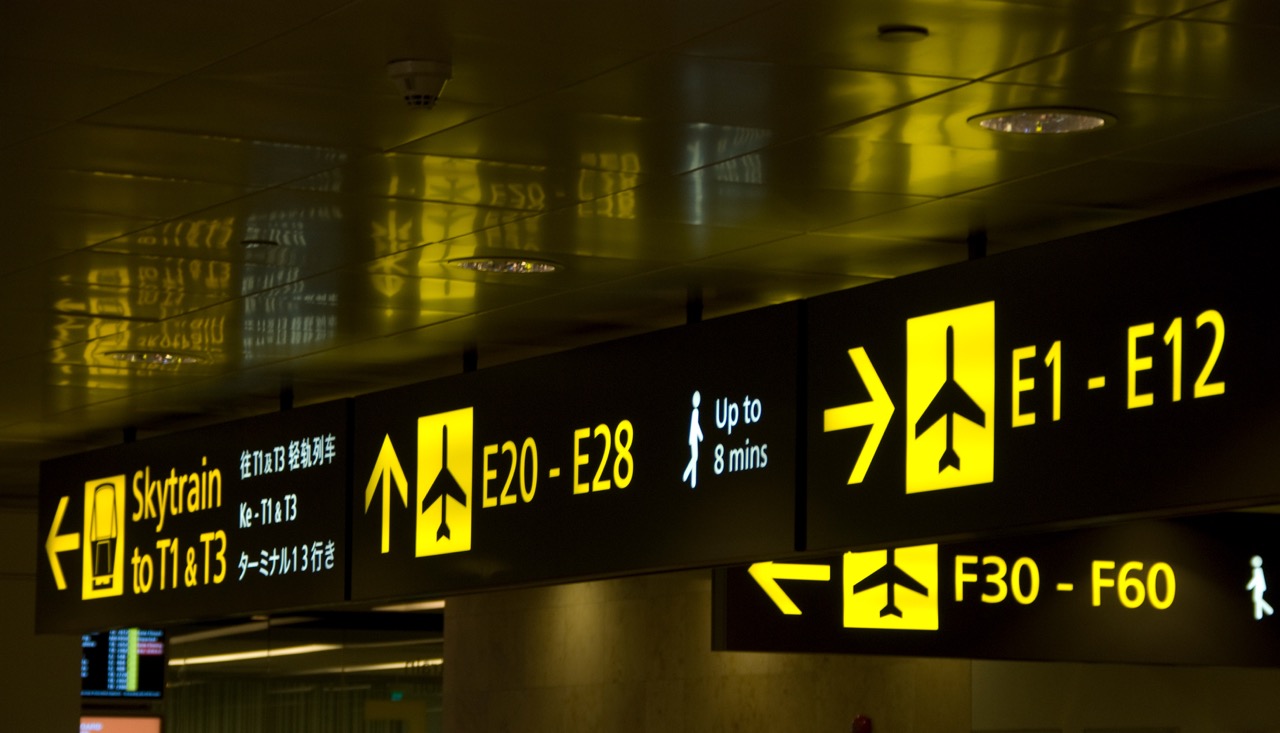
10 December 2025


Common Mistakes That Cause Fliers to Miss Their Connection
Making a connecting flight doesn’t have to feel stressful. But every day in the United States, TSA officers watch travelers miss flights simply because of avoidable mistakes made at security or during tight transfers. Understanding how the system works can make the difference between reaching your final destination smoothly or spending the day rebooking.
Based on insights shared by TSA staff, as well as airport operations experts across major hubs, here are the 12 most common mistakes travelers make with connecting flights and exactly how to avoid them.

Bringing Prohibited Items Through Security
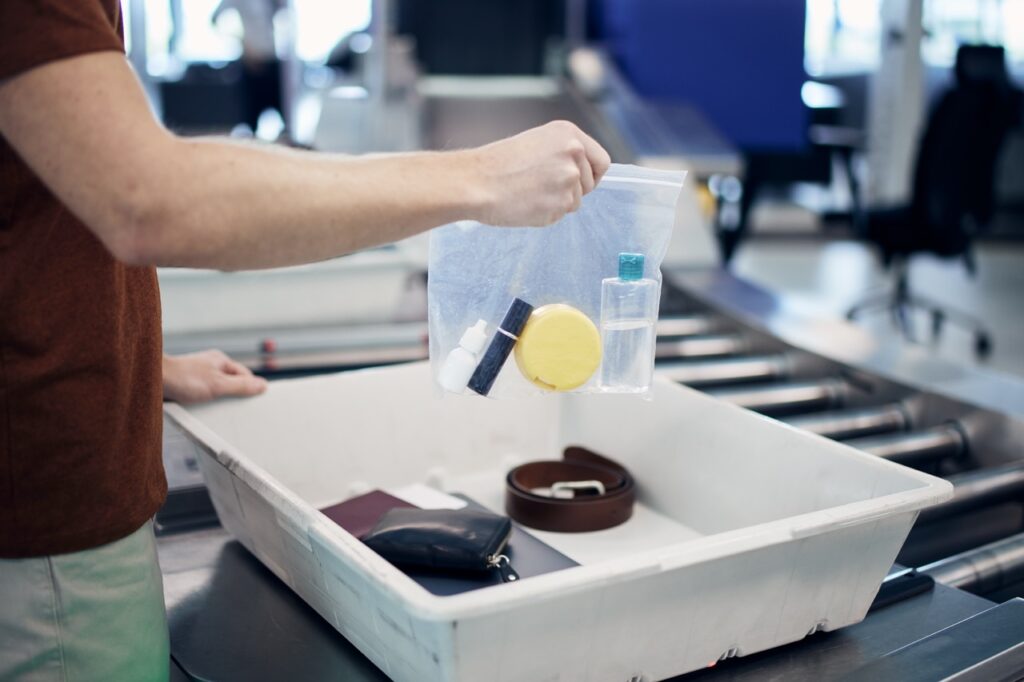
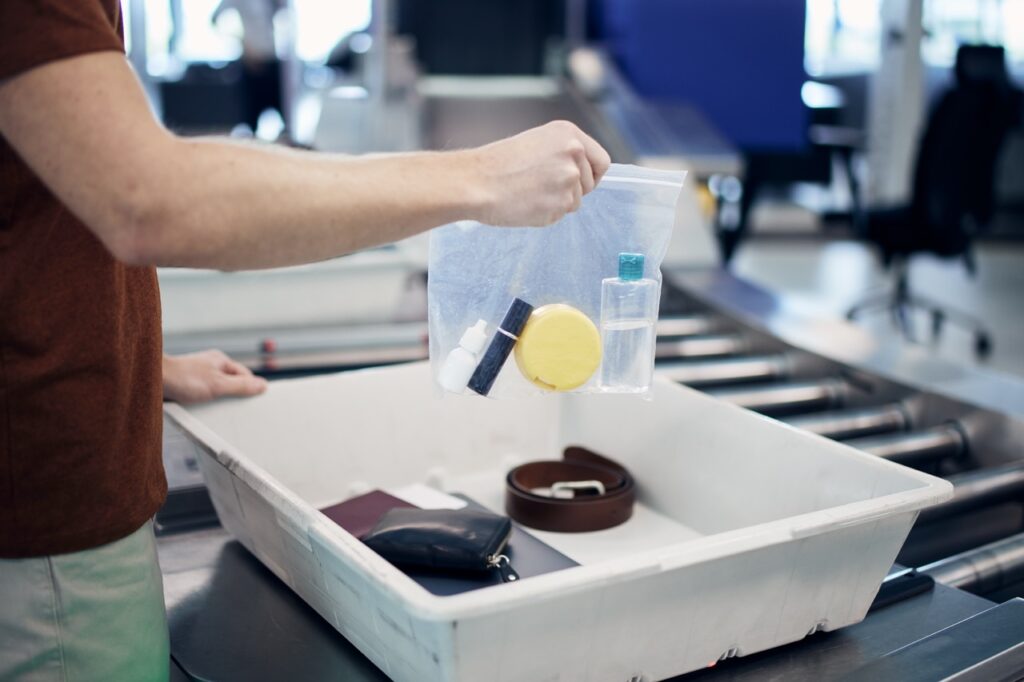
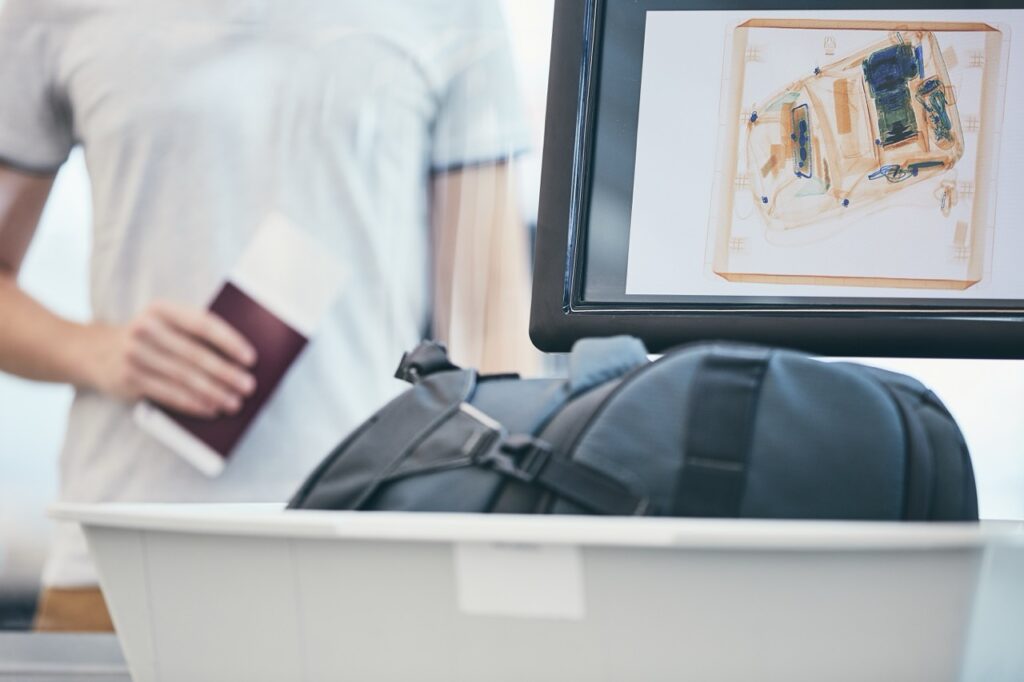
Agents say this is the top reason passengers get delayed. Items like large liquids, sharp tools and restricted gear cause rescans or bag checks, which is especially problematic when you’re rushing to make a domestic or international connection.
Avoid it:
- Pack your liquids and electronics properly at home.
- Use Travel Sentry’s Tips & Tricks for Fast Airport Security to avoid surprises
Not Preparing ID or Boarding Passes Early
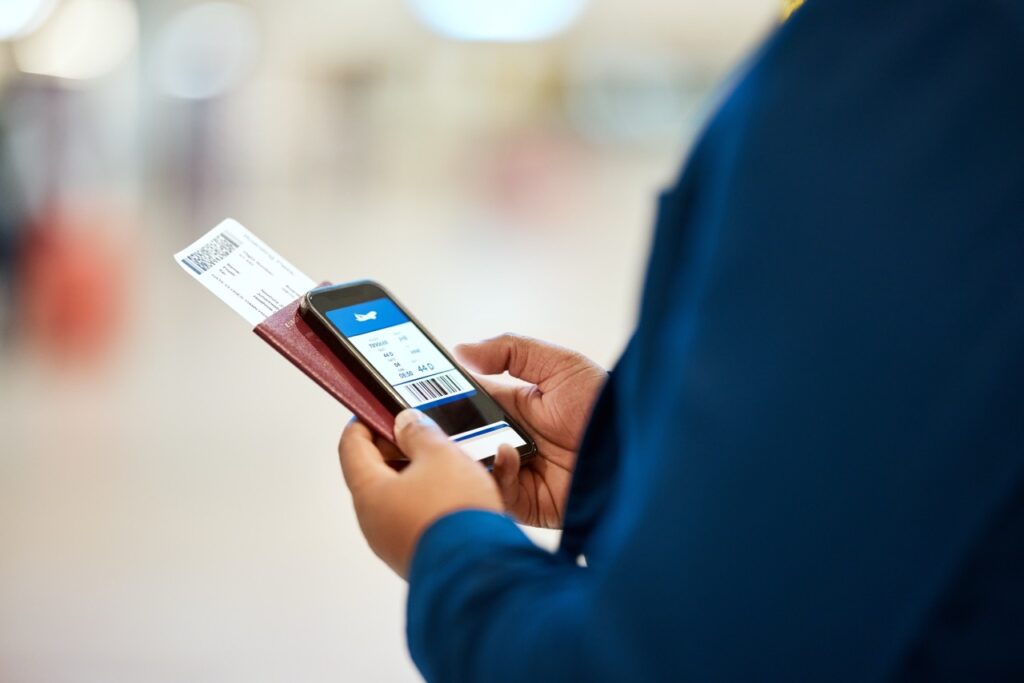
TSA officers often see passengers scrambling for documents at the front of the line. This slows everyone down and can be an issue if you have only minutes to make your next flight.
Avoid it:
- Keep your ID and boarding passes accessible.
- Take a screenshot of your digital boarding pass in case airport Wi-Fi is slow.
Wearing Outfits That Complicate Screening
Bulky boots, metal accessories or layered clothing often trigger alarms and result in pat-downs or secondary screening. Comfortable, easy-to-remove shoes also make it much faster to move through security and speed across long terminals.
Avoid it:
- Choose simple, metal-free clothing, especially depending on the airport, since some scanners are more sensitive.
- Slip-on shoes save valuable seconds.

Underestimating Terminal or Concourse Distances
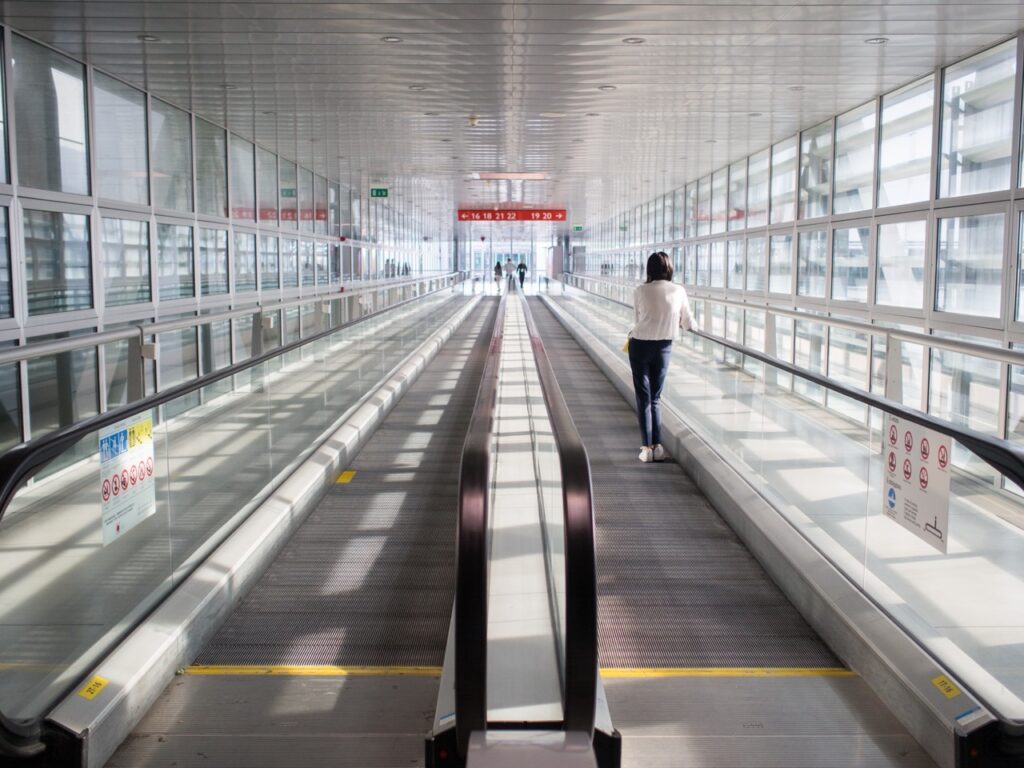
Many travelers assume their next gate is nearby, only to discover they must take a shuttle train or walk a long distance. This is particularly risky for passengers booked separately, as airlines may not protect their connections.
Avoid it:
- Check terminal maps and walking times.
- Set app alerts for connecting flights and gate changes.
Focusing on Departure Time Instead of Boarding Time
Passengers often think, “My flight leaves at 12:30,” but boarding may close at 12:05, especially for international connections where extra documentation checks may be required.
Avoid it:
- Always plan around the boarding time.
- Build additional time for flights that connect to your final destination abroad.
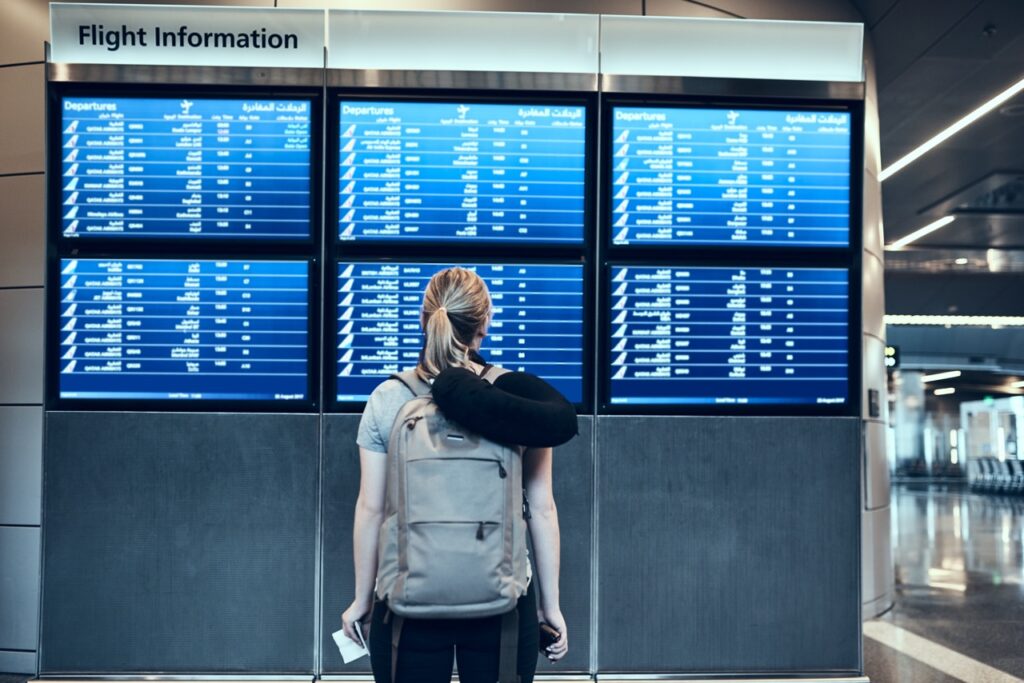
Going Through the Wrong Security Checkpoint
Large airports in the United States (like JFK, DEN, ATL, or LAX) often have multiple checkpoints, some of which are far from the concourse you need.
Avoid it:
- Ask TSA officers which checkpoint leads most directly to your gate.
- Follow signage closely, especially when booking a connecting flight with tight timing.
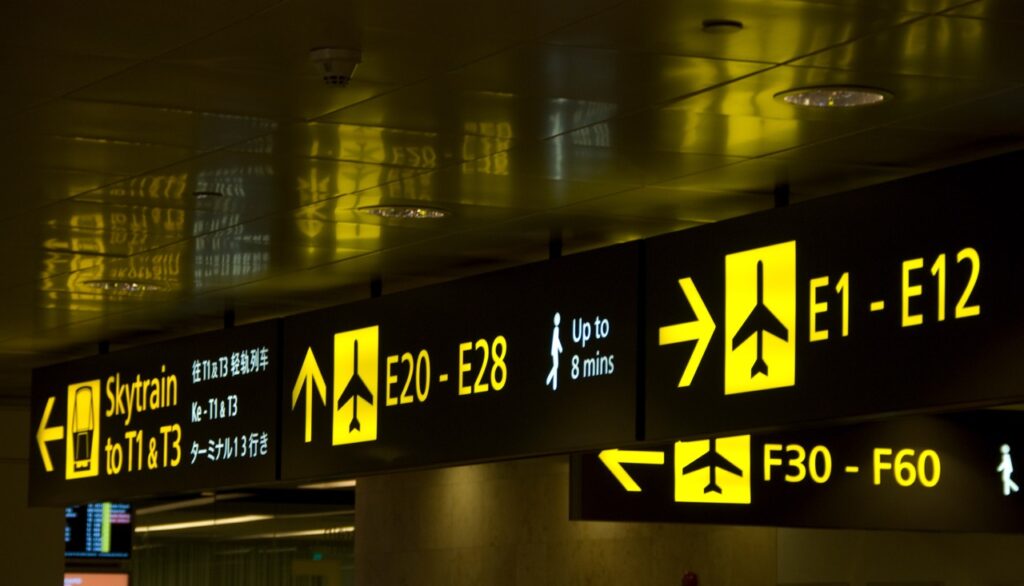
Not Using TSA PreCheck or CLEAR
For frequent travelers, skipping trusted traveler programs can lead to missing a connection. PreCheck often cuts wait times dramatically.
Avoid it:
- Enroll in PreCheck or Global Entry if you travel often.
- For international connections, Global Entry speeds up entry so you’re back through security faster.
Find out which option best suits you here.
Forgetting to Empty Pockets
Small items cause alarms and rescans, something TSA officers see constantly.
Avoid it:
- Empty your pockets before you reach the scanner.
- Keep your essentials in a single pocket or pouch.
Carrying Too Many Electronics in Your Bag
Cameras, drones, laptops, power banks and tablets may need separate screening, causing delays.
Avoid it:
- Consolidate electronics.
- If you have a checked bag, place non-essential tech items there so your carry-on is easier to process.
Baggage Tip: Whenever possible, ask your airline to check your bag all the way to your final destination. This eliminates the need to collect and recheck it during tight international connections.
Not Planning for Family or Group Delays
Families and groups often underestimate the time needed to coordinate everyone through security.
Avoid it:
- Give one adult responsibility for all travel documents.

Misunderstanding Duty-Free Rules for Connections
Many travelers buy duty-free liquids before a U.S. connection or international connection, only to discover they must be re-screened and may be confiscated.
Avoid it:
- Buy duty-free only after your final security checkpoint.
- If connecting after you leave the airport, understand that liquids must follow the 3-1-1 rule again.

Not Asking for Help When You’re Short on Time
TSA officers emphasize that travelers should speak up when their connection is tight. Many miss their next flight simply because they were too hesitant to ask.
Avoid it:
- If your connection window is short and you’re still in line, politely notify an officer.
- Airlines may re-route travelers with booked itineraries separately at the gate if you inform them early.
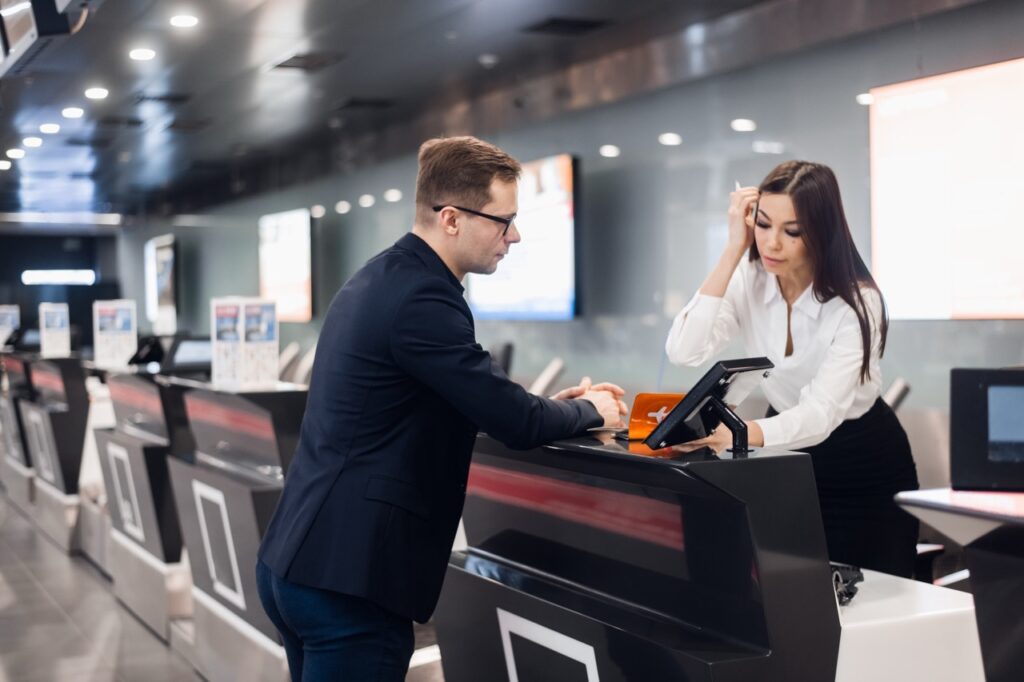
Understanding visa requirements is also essential for tight international layovers. Some countries require you to clear immigration before connecting, which means reclaiming your checked bag and rechecking it.
What to Know About Visa Requirements and Rechecking Bags
For travelers connecting internationally, missing a flight is often tied to immigration rules or baggage procedures:
- Some countries require a visa even for connecting flights if you must pass through immigration.
- You may need to leave the airport to change terminals.
- If you aren’t on a single booking, you must collect and recheck your checked bag before proceeding.
Always confirm your visa requirements and baggage rules before you fly.
Whether you’re taking domestic flights or an international connection, avoiding these common mistakes will help you get to your final destination smoothly.
TSA officers continue to stress one thing above all: most delays are preventable with preparation, awareness and confidence at the checkpoint.
Your trip and your connection will be much smoother when you plan ahead.
Related Articles
February 2026
The Space Under Your Seat: Why Under-Seat Luggage Is Changing
Under-seat luggage gets a security upgrade with Travel Sentry locks.
Read More
February 2026
In Praise of Soft Side Luggage
Is soft sided luggage a better choice than hard-shell luggage?
Read More
January 2026
Airline Carry-On Rules Explained: Liquids, Restrictions & What to Expect
A practical guide to help travellers avoid delays by checking bag size before they fly.
Read More