 Back to all articles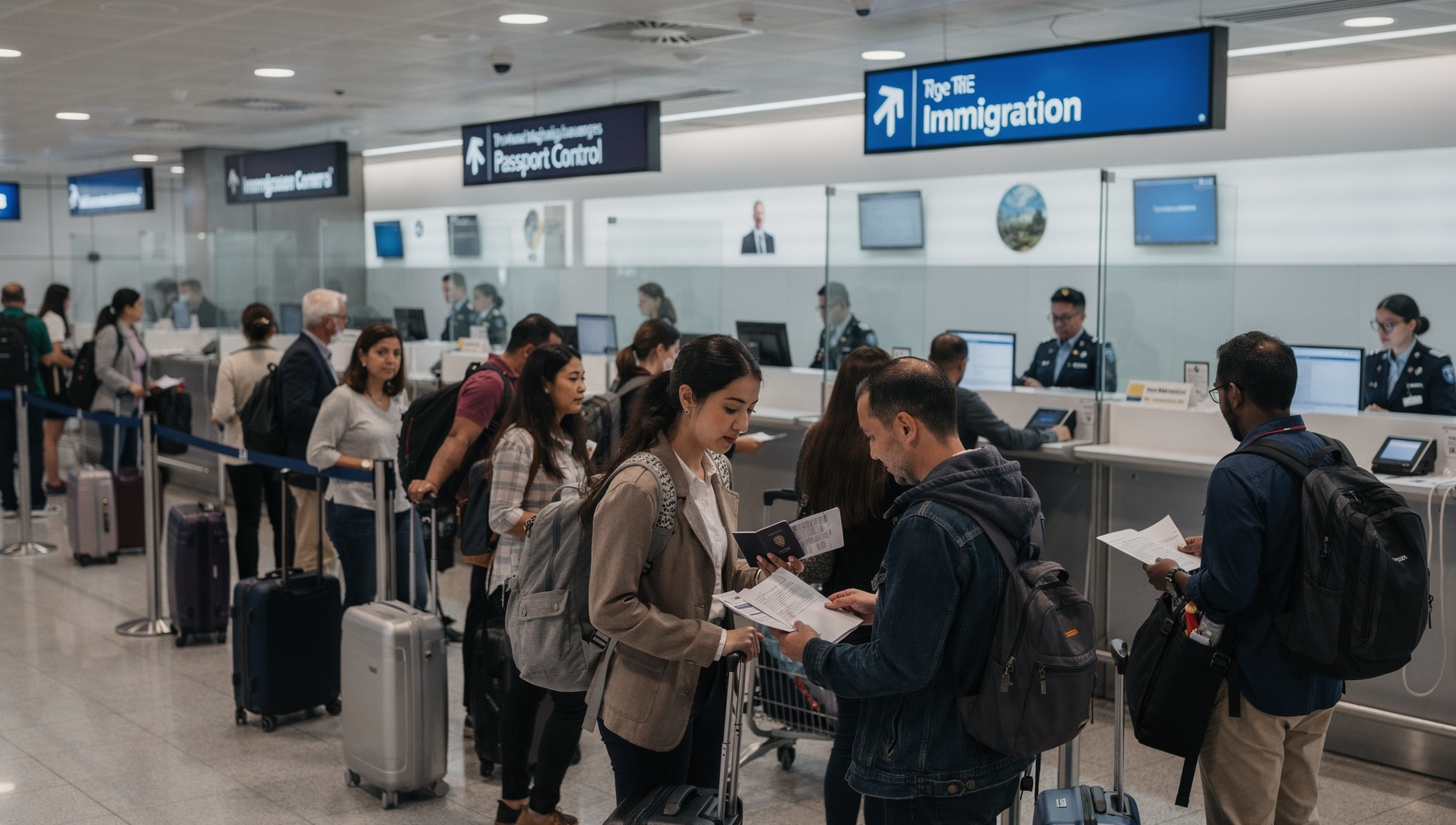



What Happens If Immigration Stops You at the Airport
If immigration stops you at the airport, in most cases, a border officer sends you to a secondary interview area to ask more questions, check your documents and confirm you’re allowed to enter. Most travelers are cleared within a short time and go on their way.
Getting pulled aside by an immigration officer feels alarming, even when you haven’t done anything wrong. Your flight has just landed, you’re tired and suddenly you’re being waved out of the regular line and into a side room. It’s a moment that can spike anyone’s anxiety. The good news is that this process is far more routine than it feels and knowing what to expect ahead of time makes it much easier to stay calm and get through it smoothly.
This guide walks through why immigration stops happen, what the process looks like in different countries, what your rights are and exactly what to do if it happens to you.
Immigration vs. Security Screening: Know the Difference
Before we get into it, it’s worth separating two things travelers often mix up:
- Security screening (in the US, this is TSA) checks your carry-on items and person before you board a flight, looking for prohibited items like weapons or restricted liquids.
- Immigration and customs control happens after you land in another country (or, for US citizens, when you return home). This is handled by a different agency — U.S. Customs and Border Protection (CBP) in the United States, Border Force in the UK, the Canada Border Services Agency (CBSA) in Canada, and equivalent national agencies elsewhere. Their job is to confirm who you are, why you’re entering, and whether you’re allowed to.
An “immigration stop” refers to this second kind of check. It’s a normal part of every international arrival, not a sign that something has gone wrong.
Why Immigration Might Stop You
Officers refer travelers for extra questioning for all kinds of reasons and most have nothing to do with wrongdoing. As BBC Travel has reported, even routine things like an undeclared watch or a nearly expired passport can trigger a stop. Common triggers include:
- A random selection. Border agencies build a percentage of completely random checks into their process, so some travelers are chosen with no red flags at all.
- Document issues. A passport nearing its expiration date, a visa that doesn’t quite match your stated purpose or a torn or water-damaged photo page can all prompt a closer look.
- Inconsistent answers. If your stated reason for travel doesn’t match your itinerary, luggage or previous answers, officers may ask follow-up questions to clear it up.
- Watchlist or database matches. Airlines share passenger information with border agencies before you land and officers cross-reference it against law enforcement databases. A name match, even a false one shared with someone else, can trigger a stop.
- Undeclared cash, goods or valuables. Most countries require you to declare cash or goods over a certain value (often around $10,000 or the local equivalent). Forgetting to declare can mean a delay, even if nothing was concealed on purpose.
- A pattern of frequent border crossings or unusual travel history that officers want to understand better.
- Outstanding legal matters, such as certain warrants, unpaid fines or child support arrears that some countries’ databases flag automatically.
What Happens During the Stop
The exact steps vary by country, but the shape of the process is similar almost everywhere.
In the United States (CBP)
- Primary inspection. Every arriving traveler shows their passport at a CBP booth or e-gate. The officer asks a few standard questions about your trip.
- Referral to secondary inspection. If something needs a closer look, you’re directed to a secondary area which is a separate room near the arrivals hall.
- Waiting and questioning. An officer will ask more detailed questions about your travel, your documents and sometimes your luggage. This can take anywhere from a few minutes to a couple of hours.
- Resolution. Most travelers are cleared and admitted. In rare cases, someone may be denied entry, have items seized or (very rarely) be detained further.
CBP has said publicly that it aims to treat every traveler with dignity and professionalism during this process and that officers rely on the patience and cooperation of the traveler to move things along.
In the United Kingdom (Border Force)
At UK border control, you’ll show your passport (and visa, if required) and Border Force will usually ask why you’re visiting. If they need more information, you may be taken aside for further questions. If you’re ultimately refused entry, you’ll be told in writing why, whether you can appeal and when you’ll need to leave. In some cases you may be allowed in temporarily while your passport is held and you report to immigration officers at set times.
Elsewhere
Canada’s CBSA, the EU’s Schengen border officers, Australian Border Force and other national agencies follow broadly the same logic: a primary check and a secondary interview if something needs clarifying. The paperwork and terminology differ, but the underlying goal, confirming identity and admissibility, is universal.
What Are Your Rights?
None of this is legal advice. If you’re facing a serious legal situation at a border, the right move is to contact a qualified immigration attorney or your embassy.
This varies by country and by whether you’re a citizen, resident or visitor, so it’s worth knowing the general shape rather than assuming one rule applies everywhere:
- In the US, you generally do not have a right to an attorney during CBP inspection itself. CBP is not required to allow a lawyer into primary or secondary inspection, though you can typically ask to contact one. Rules on legal representation during border questioning vary elsewhere. The UK, Canada and EU each set their own procedures, so check the relevant government site for your destination if this matters to your trip.
- Foreign nationals who are arrested or formally detained have a right to consular notification. Most countries are bound by treaty to notify (or offer to notify) your embassy or consulate if you’re detained and your embassy can provide a list of local attorneys, contact your family and check on your welfare, though it generally can’t get you released or intervene in another country’s legal process.
- Citizens generally cannot be permanently denied entry to their own country, though they can still be delayed for questioning.
- You’re expected to answer truthfully. Providing false information to a border officer is treated far more seriously than the original issue would have been on its own.
What To Do If You’re Stopped
A calm, cooperative approach is your best tool. Here’s a practical checklist:
- Stay calm and polite. Officers are trained to notice stress, but being cooperative goes a long way toward a quick resolution.
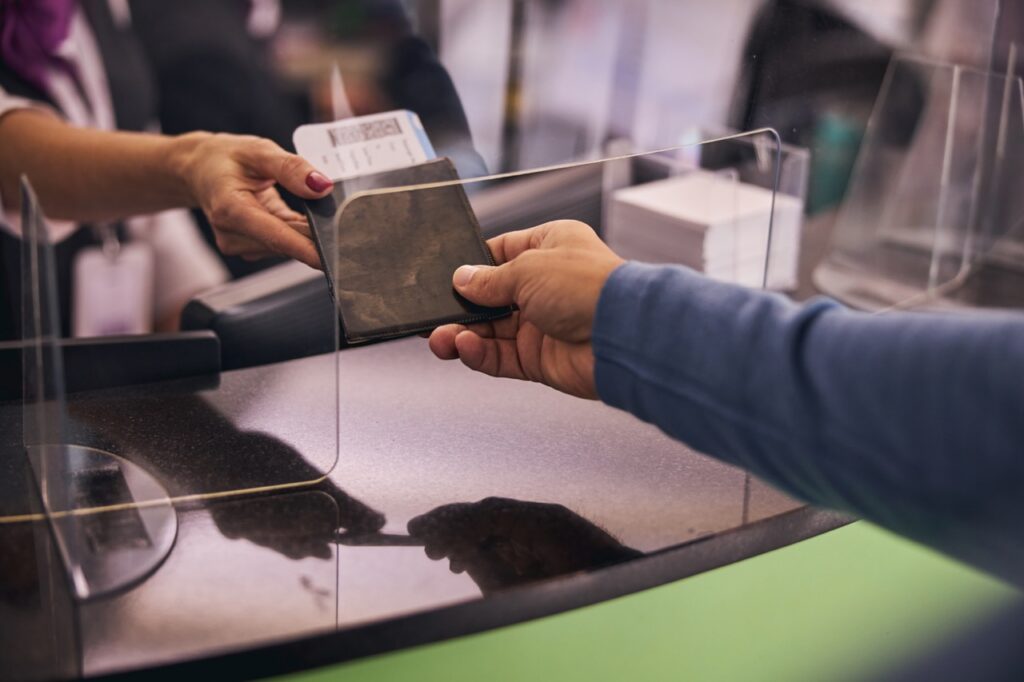
- Have your documents ready and organized. Passport, visa or entry authorization, return or onward ticket and proof of accommodation or funds if you have them.
- Answer questions clearly and honestly. Don’t guess or embellish – “I’m not sure” is a better answer than a made-up one.
- Ask why, respectfully. You’re generally allowed to ask what the concern is, even if the officer isn’t required to give a detailed answer.
- If you’re a foreign national and are formally detained, ask that your embassy or consulate be notified. This is a right in most countries, even if it takes time to arrange.
- Keep a note of names, badge numbers and times if the situation feels unusual, it’s helpful if you need to follow up later.
- Don’t argue or become confrontational, even if you believe the stop is unfair. Raise concerns afterward through the proper channels (a formal complaint or redress program), not in the moment.
Quick Steps: How to Lower Your Odds of Being Stopped
You can’t control random selection, but you can control the things that most often trigger a closer look:
- Check your passport’s expiration date well before you travel as many countries require six months’ validity beyond your entry date.
- Confirm your visa or entry authorization matches your actual purpose of travel.
- Keep your documents in one easy-to-reach place rather than buried at the bottom of your bag.
- Declare cash, valuables or goods over the threshold.
- Keep your story straight: your stated purpose of travel should match your itinerary, luggage and length of stay.
Frequently Asked Questions
What should I do if immigration stops me at the airport?
Stay calm, have your documents ready, answer questions honestly and ask (politely) what the concern is. Most stops end with a short interview and clearance.
How long does a secondary inspection usually take?
It ranges from a few minutes to a couple of hours, depending on the reason for the stop and how quickly your information can be confirmed.
Do I have the right to a lawyer during an immigration stop?
Generally, no. Most countries don’t guarantee access to an attorney during the inspection itself, though you can usually ask to contact one.
What happens if I’m not allowed to enter a country?
You’re typically told in writing why you were refused, whether you can appeal and how you’ll be sent back which is often on the next available flight.
Does a secondary inspection mean I did something wrong?
No. A significant share of secondary referrals is random or based on document technicalities, not suspected wrongdoing.
An immigration stop at the airport is unnerving, but it’s a normal, well-defined part of international travel and not evidence that something has gone wrong. Knowing the difference between security screening and immigration control, keeping your documents in order and staying calm and cooperative if you’re asked extra questions will get you through it faster and with far less stress.
Related Articles

August 2026
What Time Should You Arrive at the Airport?
Wondering how early to arrive at the airport? Check-in, security and boarding times explained.
Read More
July 2026
Left Something at Security? Here’s What to Do
Left your phone, ID or charger at airport security? Helpful tips for lost and found items.
Read More
July 2026
What Do You Have to Remove at Airport Security?
What comes off, what comes out of your bag and what you can skip if you've got PreCheck.
Read More