 Back to all articles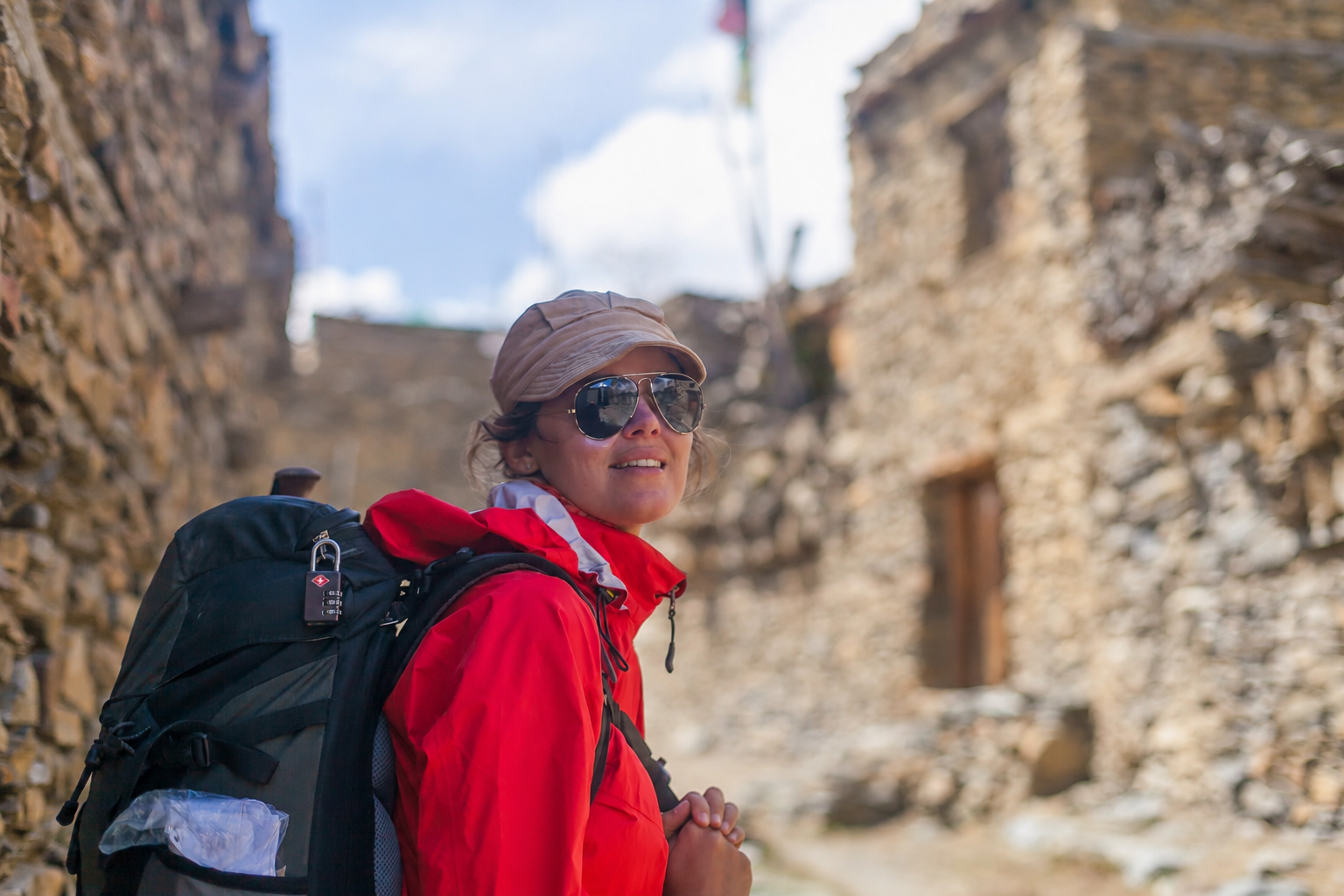



Flying Solo: A solo traveller’s guide to securing your stuff
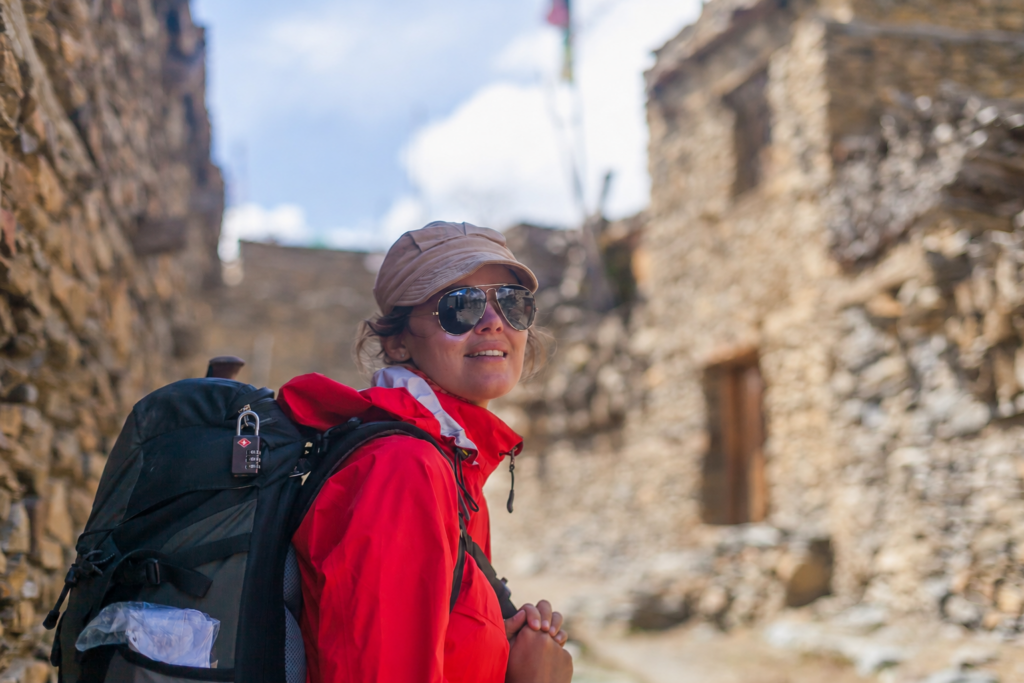
There’s a reason why solo trips are on the rise; it’s freeing, flexible and often wonderfully straightforward. You have nobody to please but yourself and the day is yours to seize in whatever way you fancy. The downside is that it often means there is no one else to watch your bag while you’re on the move, using the bathroom or asleep on a flight.
From a Travel Sentry perspective, the goal is not to make travel feel stressful. It is to make security a natural and easy part of your routine, so your belongings stay protected, without slowing you down.
- Make your bag harder to open: apart from the obvious luggage lock or TSA padlock – go for a robust model – there are things you can do to slow down opportunist thieves, from adding cable ties to zipper pulls, positioning zippers where they are harder to reach or less obvious; we’ve also seen some excellent backpack models with concealed zipper areas, positioned next to the wearer’s back.
- Split your valuables: don’t keep all your cash, cards and documents in one place. Carry one main card and a small amount of cash in your day bag, then keep a backup card and emergency money in a separate secure location. This way, a lost wallet does not become a full-blown travel crisis. You should also make sure that you have images of your passport and ID on your phone, with a back-up photocopy, just in case.
- Use a bag you can secure to yourself or to a fixed object: a money belt which can be concealed under clothing, a scrunchie with a hidden zip, sock or bra stashes, a cross-body phone lanyard to deter snatchers – all of these make sense for the solo traveller. We can also recommend the use of cable locks to attach your luggage to a fixed place, like a train luggage rack.
- Planning a swim? You can buy inexpensive dry bags which mean you can keep your phone and wallet with you while you’re in the sea, rather than trusting to fate and leaving them concealed under your towel in the sand.
- Look inconspicuous: try to blend into your environment through your clothing and accessory choices. Jewellery, expensive watches, tech and camera equipment can attract undue attention, particularly if you already look like you’re not a local.
- Travel insurance!
- Power bank – always carry one to keep your phone running for emergencies.
- Share your plan with a trusted friend or family member, including location and detailed itinerary. Daily check-ins are an excellent idea.
- Trust your gut and avoid unnecessary risks – stay sober and alert, avoid ill lit or quiet places late at night or early morning, choose reputable, well-rated accommodation with doors and windows that lock properly and go for official transport.
- One final point, we recommend solo travellers to stop, look, listen and discreetly check the essentials before they move off – whether that’s getting off transport, leaving a café or hotel. Frequent check-ins can help you identify when a key item went missing or equally, just to be sure everything is entirely fine!
FAQs
Which age groups and demographics are leading the boom in solo travel?
You might think it’s just young people, but that’s not the full story. Yes, people aged 25–44 are leading the trend, but solo travel is growing among all age groups. In fact, more women are booking solo trips. Some are single, while others just want to take a break on their own. One travel company, Virtuoso, says that 71% of their solo travellers are women. And 40% of women in a recent survey said they were newly interested in travelling alone.
What drives people to travel solo?
Whether it’s after a life change or just for fun, many people are done waiting for friends or family to be free. They want to go when it suits them.
Why Do People Choose to Travel Alone?
A recent survey found the top reasons are:
- Freedom and flexibility (38%)
- Cultural exploration (38%)
- Breaking from routine (36%)
- Personal growth (31%)
Related Articles
September 2026
Flight Cancellation Compensation: What Are Your Rights?
Find out your flight cancellation rights and how to claim compensation.
Read More
September 2026
Can You Take Power Banks on a Flight?
Learn airline specific rules for carrying power banks on flights and battery capacity limits.
Read More
September 2026
What Do You Have to Remove at Airport Security?
What comes off, what comes out of your bag and what you can skip if you've got PreCheck.
Read More


