
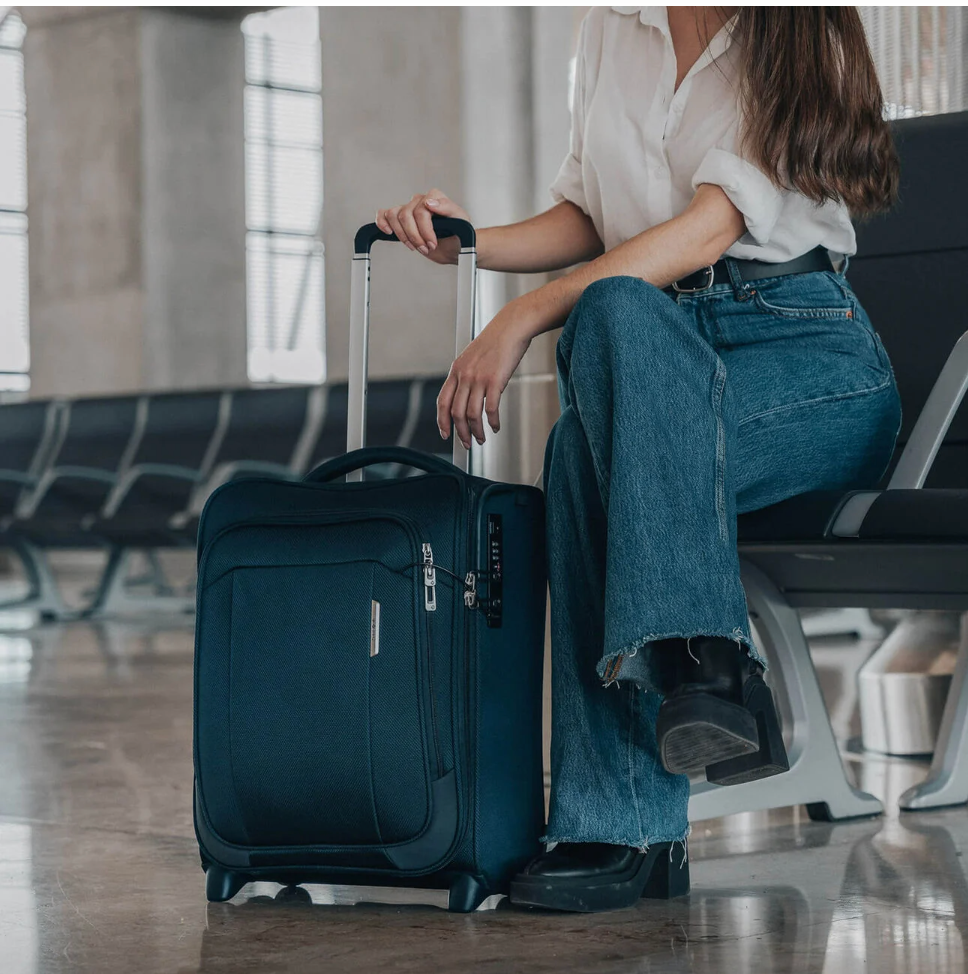
Understanding Carry-On Allowed Items
In addition to cabin baggage size limits, passengers must also comply with airport security regulations governing what can and cannot be carried onboard. While specific rules may vary between airlines and countries, there are widely recognised guidelines that apply across most flights.
Understanding these restrictions before you travel can help you pass through security more smoothly and avoid unnecessary delays.
Items Typically Permitted in Carry-On Luggage
Passengers are generally allowed to carry essential personal belongings and travel necessities, including:
- Clothing and personal items
- Electronic devices such as laptops, tablets, and phones
- Travel documents and valuables
- Liquids within applicable security limits
- Medications and essential toiletries
These items are commonly carried in cabin baggage for convenience, accessibility, and security.
Items Commonly Restricted or Prohibited
Certain items are subject to restrictions or may be prohibited entirely in carry-on bags, including:
- Liquids exceeding permitted volume limits
- Sharp objects or cutting instruments
- Specific tools or sporting equipment
- Hazardous or regulated materials
As regulations can differ by airline and destination, passengers should always confirm requirements with their carrier before departure.
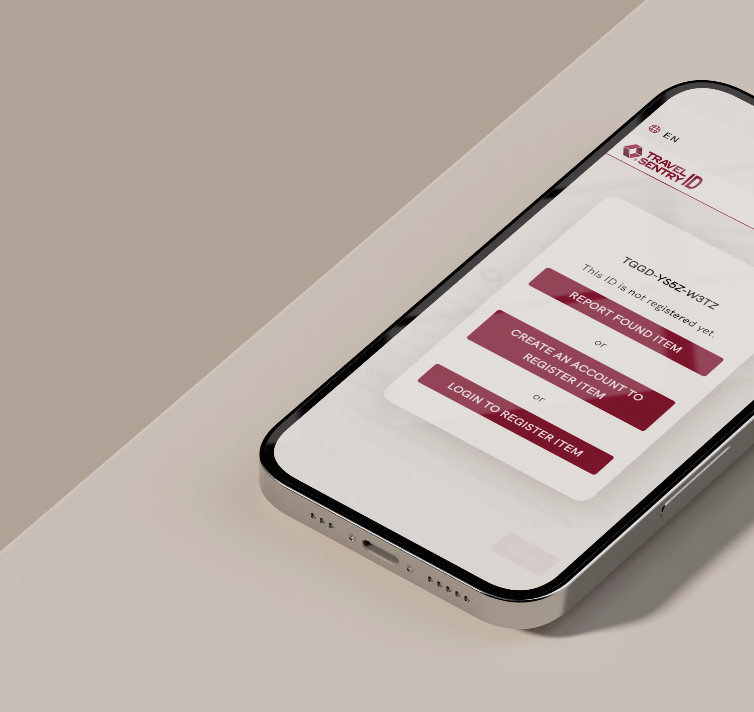
Why Use the CarryOK Checker Before You Fly
Airline baggage policies are not always consistent, and assumptions about cabin luggage can often lead to unexpected complications at the airport.
Checking your bag in advance can help reduce the likelihood of:
- Boarding disruptions
- Additional baggage charges
- Security screening delays
- Gate-side luggage check-ins
A simple check before travel can contribute to a more predictable and stress-free airport experience.
Require additional information on this process? Get help from our team.

Travel Smarter with Travel Sentry
CarryOK supports Travel Sentry’s commitment to simplifying the travel experience through practical tools and passenger guidance.
Whether you are confirming cabin baggage dimensions or preparing your carry-on essentials, Travel Sentry resources are designed to help travellers navigate airport requirements with more confidence and fewer surprises.
Contact us for more information.
Carry OK FAQs
What is the 3-1-1 rule for carry-on luggage?
The 3-1-1 rule refers to standard airport security regulations governing liquids carried in cabin baggage. Under this guideline, passengers are typically permitted to carry liquids in containers of up to 100ml, with all containers placed inside a single transparent, resealable bag. Only one bag of liquids is usually allowed per passenger.
This rule applies to items such as toiletries, gels, creams, and aerosols. Any liquid containers exceeding the permitted volume limits must generally be packed in checked luggage. As security regulations can vary slightly between countries, travellers should always confirm local requirements before departure.
What size suitcase is considered a carry-on?
Carry-on luggage size limits are set by individual airlines and can vary depending on the carrier and ticket type. Most airlines define cabin baggage allowances using overall dimensions, which include the suitcase body as well as handles and wheels.
While many carriers apply limits similar to 55 × 40 × 20 cm, stricter or more flexible policies may apply. Because these requirements are not universal, using a carry-on luggage size checker can help travellers quickly assess whether their bag is likely to meet typical airline restrictions.
What toiletries are not allowed on a plane?
Most standard toiletries are permitted in carry-on luggage when they comply with liquid restrictions. However, items may be restricted if they exceed permitted container sizes or fall under security regulations relating to hazardous or flammable substances.
Products such as shampoo, toothpaste, moisturiser, and other personal care essentials are generally allowed when packed within applicable liquid limits. Travellers should always review airport security guidance and airline-specific policies to ensure compliance before travelling.
