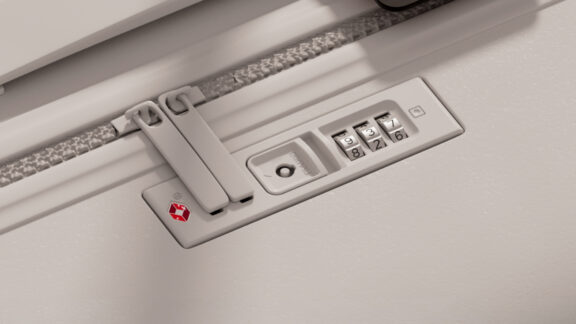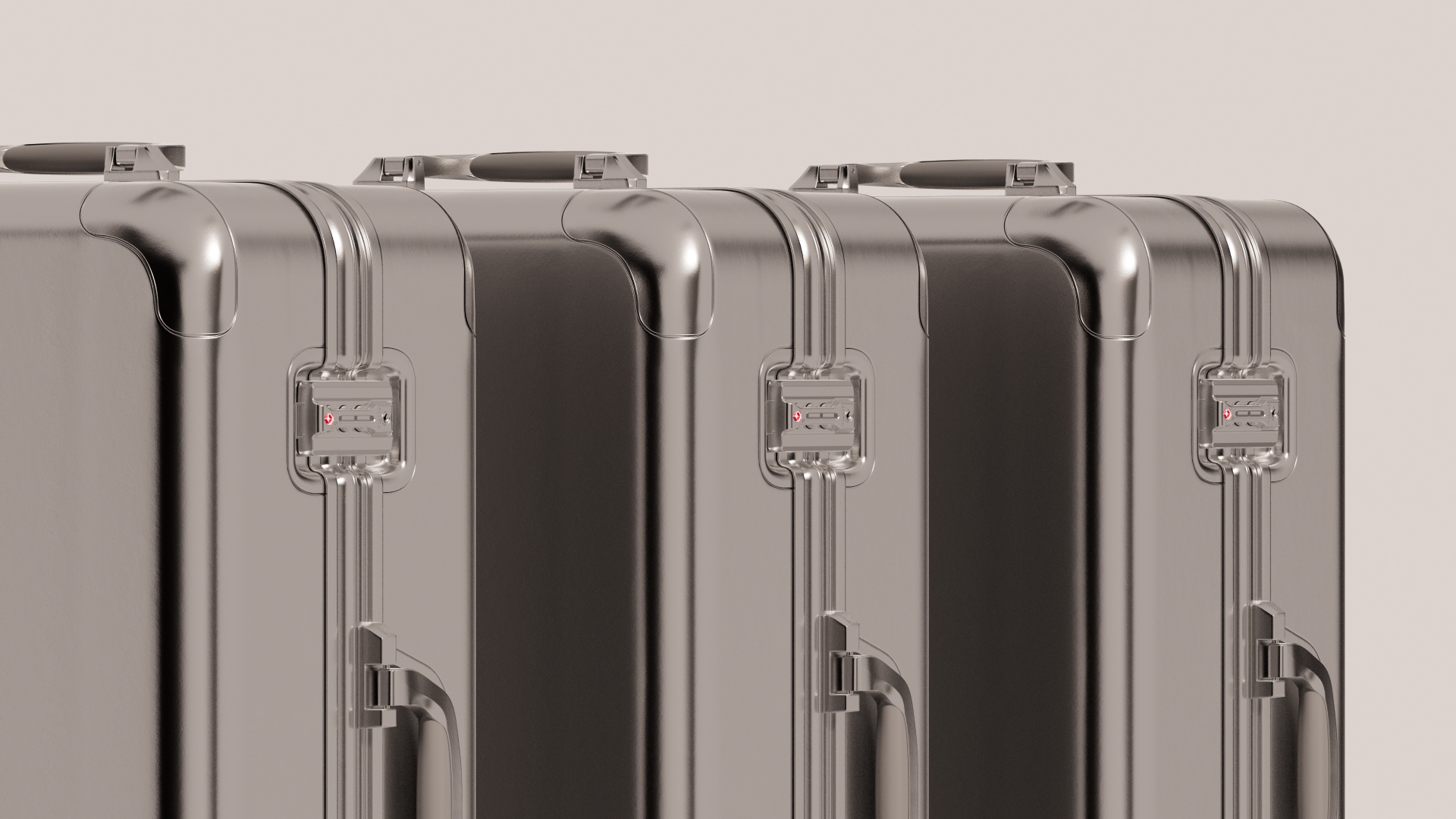
主要な手荷物/旅行用品メーカーが提携してTSAの検査基準に適う手荷物に特別なトラベルセントリーマークを使用することになった。
航空会社のチェックインに関わるスタッフは、トラベルセントリーマークを識別するトレーニングを受けており、この特別なマークを装備した手荷物は施錠したまま預けられることを理解している。
TSA検査係員は、検査のために手荷物を開ける必要がある際に、開披のための特殊ツールを使用します。
トラベルセントリー製品は、大規模小売り業者を含む、世界中の幾千もの販売店舗で販売されています。
多くのオンラインショプにおいても扱われています。 店舗を見つけるにはここをクリック。
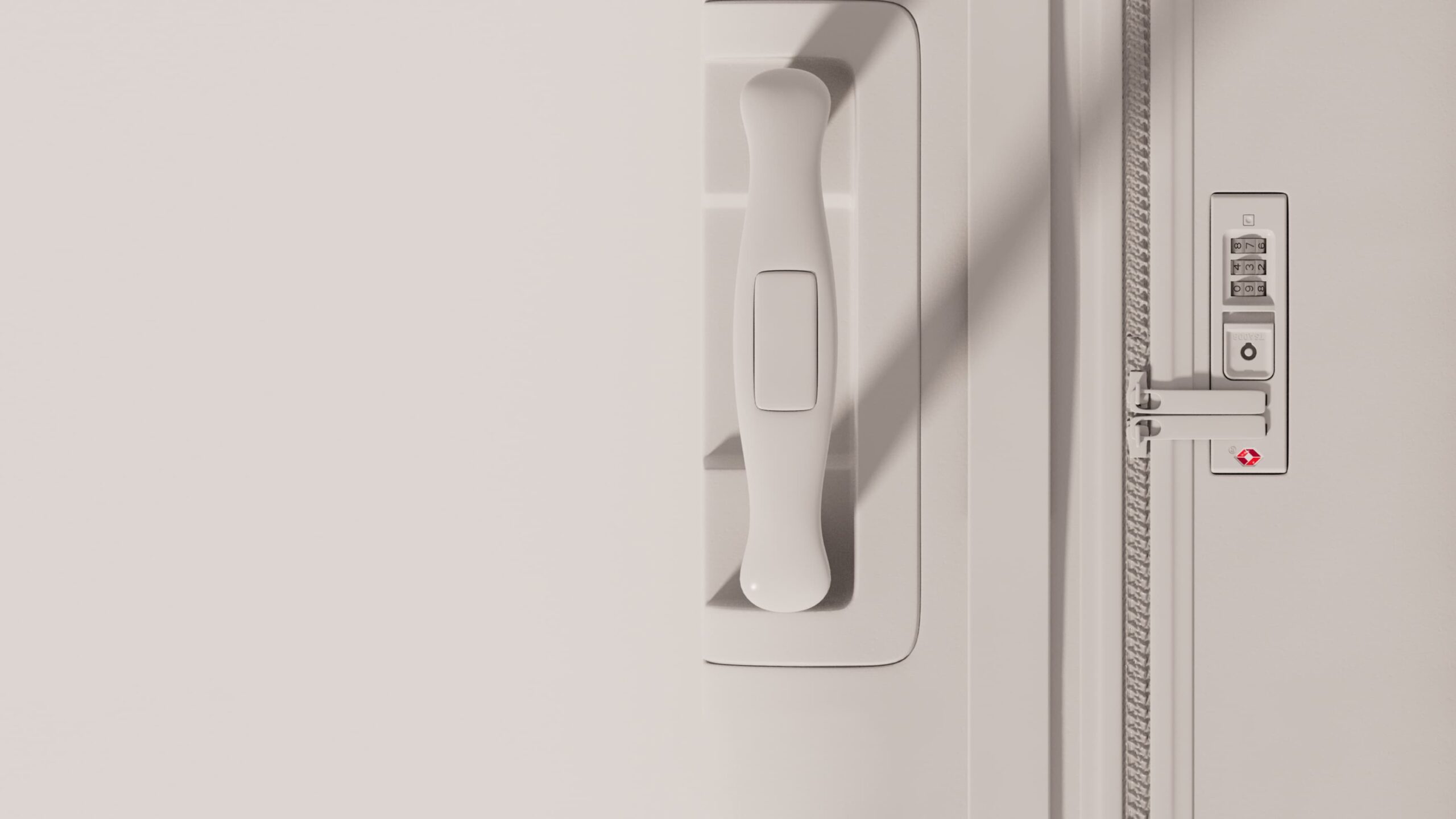
ロックには1000を超えるモデルがあり、すべてが同じように作動するわけではありませんが、ダイヤル番号をセットするための基本的方法には共通するものが多い。
ダイヤルロックのセットまたはリセット時によくある問題を解決するヒントがあります。
ダイヤル番号を正しい位置に並べてください。正しい位置は通常縦の線や点線或は一連の「窓」で示されています。ダイヤルロックは全て工場出しの標準セッティングが0-0-0か0-0-0-0です。

掛け金式ロックをリセットする場合は、掛け金を、ロック位置から90または180度回転させたところにあるリセット・ポジションまで持っていって掛け金を押し続けてください。ロックの種類によっては、まず掛け金を押し下げ、次にそれをリセット・ポジションまで回す必要があります。その際にリセット・ポジションまでしっかりと回さないとダイアル番号のセットがうまく行かない原因になります。

ケーブル式ロックやベルト式ロックをリセットする場合には、リセットボタンまたはバーをしっかり押し続けながらダイヤル番号を変更します。

現在のところ、アメリカのTSAだけが、手荷物検査のために開披が必要な場合には、トラベルセントリー認可を受けていないロックの場合カットすることもある、と旅行者に告げています。海外を旅行する際にはどの手荷物ロックにもトラベルセントリーロックを使ってあなたの持ち物を保護し、安心を得ましょう。.
アメリカ出国の際は、TSAは検査後ロックを再施錠します。旅行の時はいつでもトラベルセントリーロックを使い、あなたの持ち物の保護に務めましょう。
アメリカに飛んで国内便に乗り継ぐ際には、まずアメリカ税関をクリアーします。税関を過ぎると通常手荷物は乗り継ぎ便にて再チェックされます。ここでTSAがバッグをスクリーン検査しますが、トラベルセントリーロックが装備されていれば、搭乗前に、そのバッグは必要なら開披され、検査を受けて再施錠されます。
いいえ。トラベルセントリーは業界向けスタンダードを設けていて、手荷物やロックの会社がそれを使います。手荷物やロックのメーカーは自社製品を自由に設計できますが、トラベルセントリーシステムの基準を満たさなければなりません。
もしそれをTSAが行ったとしたら、カットされたロックが手荷物の中に残されていて、手荷物検査告知書(Notification of Baggage Inspection)という書類が挿入されています。もしこの告知書が挿入されており、ロックがダメージを受けたり壊されていたりした場合は、お買い上げになった会社に連絡してください。無償で取り替えや修理をしてくれるかもしれません。
もしTSAが直接行ったことではないと思われる場合は、速やかに航空会社へクレームしてください。空港のコンベヤー搬送中に手荒い扱いを受けてロックが破損したり無くなったりすることがあります。航空会社へのクレームには期限がありますので、遅れずにクレームしてください。
ダイヤル番号を忘れてしまった場合は、残念ながら、ロックを解錠したりダイヤルをリセットする簡単な方法はありません。 バッグ専門店のリペアー部門や錠前屋さんがノウハウを持っている場合があります。 アメリカでは、鞄販売店組合のウェッブサイトに地域毎の専門店を載せていますのでそこで聞いてみてください。
飛行機で旅行中にロックが壊れる原因は二つあります。
バッゲージやロックに関わってくるのは、コンベヤーその他自動化されたシステムとしてのバッゲージ・ハンドリング・システムと作業員の取り扱いがあります。通常の摩耗を超えるダメージに関しては航空会社に責任がありますので、航空会社にクレームを遅滞無く行ってください。
TSA保安検査員は毎日2百万個を超えるバッゲージを検査しています。ロックを壊すくらいなら、トラベルセントリーの特殊ツールを使ってTSAロックを解錠する方が早くて簡単です。しかし、稀にしかないことですが、ロックが既にダメージを受けていたり機能しなくなっていたりした場合は壊して検査に及ぶことがあるかもしれません。この場合TSAはロックのダメージに対して責任がありません。
バッグ内にTSAのバッグ検査通知書が残されていないかどうか調べてください。ロックがダメージを受け、TSAの検査票が残されている場合は、購入したブランドの卸元に連絡してみてください。トラベルセントリー・システムに加盟している卸元はこのような場合、ロックの取り替えに応じてくれる可能性があります.
もしTSA検査票が残されていない場合は、航空会社の取り扱いに原因がある可能性が強い。航空会社にクレームを遅滞なく行ってください。
飛行機旅行後ロックが無くなった理由には二つあります。
トラベルセントリーがTSAと恊働して調べた結果、ロックがなくなったのは航空会社の取り扱いの場合が多いことがわかった。自動化されたコンベヤー・システム上でコンベヤーベルトにロックが挟まれたり、「押し棒」で運ばれて遠心力で飛ばされたりして無くなる。一番弱い部分は、ロック本体ではなくて、ファスナーバッグの掛け金が取られる。トラベルセントリーでは、このような航空会社の扱いによる被害を最小限に止め、ロックをより安全に保つために、"kissing slider"式のバッゲージをお勧めしています。もし航空会社により手荒な扱いを受けたとお感じになる場合には、航空会社にクレームしてください。

TSAスクリーン検査官が、スクリーンに通すためロックを取り外してバッグを開けたが、ロックを元に戻すことができなかったという場合もあります。鞄の中にTSA検査票がないか探してください。もしロックがなくなっており、TSA検査票が残されていれば購入した卸元に連絡してみてください。トラベルセントリー・システムに加盟しているブランドの多くはそのような場合にはロックを取り替えてくれる可能性があります。
あなたがトラベルセントリー・バッグやロックを買った販売店かブランドに問い合わせてください。 ブランドのコンタクト先は「ヘルプ」の「ブランド」をクリックしてみてください。
Less than 1% of the four million pieces of airline baggage checked every day are "lost." The bad news is that this means that up to 40,000 bags may be mishandled daily. The good news is that most of these will be located and returned to their owners within 24-36 hours.
What can you expect your airline to do for you?
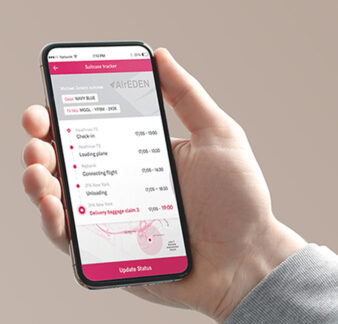
FIND – The last airline you traveled with on your itinerary is responsible to locate your baggage. If you arrive at your destination, and your checked baggage does not, go immediately to the airline baggage services office in the arrivals area and file a claim with your airline.
DELIVER – If the airline was responsible for losing your bag the airline will usually deliver it to you at their expense.
INTERIM EXPENSES – Also known as "First Needs" or "Out of Pocket" expenses. Very few airlines will offer to cover the costs of items you need while your baggage is lost. Usually you have to ask. You are more likely to be compensated if you flew in First or Business Class, or are an elite member of the airline's frequent flier program. If you are arriving at your "home" airport most airlines will refuse interim expenses.
Why do bags go missing?
Well over half of all baggage which is reported as "lost" is actually baggage which did not make the transfer between connecting flights. Most of these bags are delivered on later flights. Some airlines and some airports are much better at managing this problem than others.
Other reasons baggage goes missing include:
The bar code baggage tag could not be read by the automated airline baggage handling system and the baggage was delayed due to "manual" handling. Often more than15% of these tags can not be read by the automated "readers".
The baggage missed the originating flight because the passenger checked-in late, the baggage was delayed in security screening (often because a non-TSA lock was used), or the airline accidentally left the bag behind.
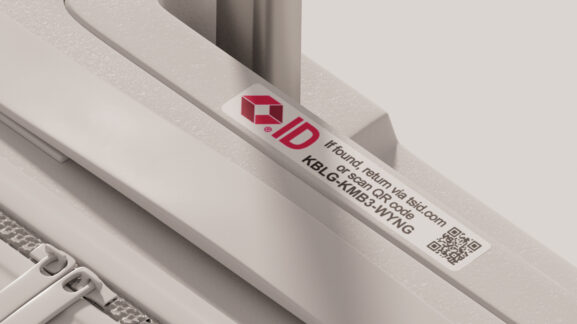
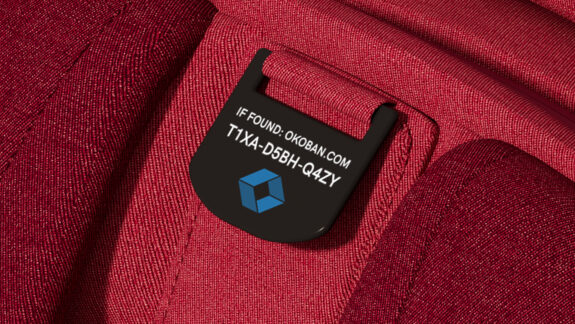
A small percentage of bags go missing when taken in error by another passenger at the baggage claim area. Protect yourself. Put distinctive markings, tags, ribbons or tape on your bag. Make yours look different.
Damaged baggage is an unfortunate fact of travel. The airlines typically view baggage as a container meant to protect your belongings during travel. This is why they take no responsibility for "normal wear and tear" to baggage; similar to the post office who takes no responsibility for soiled or torn packages.
Here is what most airlines consider "normal wear and tear"
Broken wheels or feet
Lost pull straps
Minor cuts and scratches
Damage resulting from over packing
Damage to retractable baggage handles
Fragile or perishable items damaged during transport
Items unsuitably packed or unsuitable for transportation
Damage resulting from Transportation Security Administration (TSA) inspections
That still leaves a number of cases where damage is beyond wear and tear, is not normal, and is a direct result of poor handling by the airline. As always, it is best to report this damage to the airline immediately (before you leave the airport) and always within 24 hours.
What can you expect your airline to do for you?
DAMAGE – If the airline accepts responsibility for damaging your bag the airline will usually take responsibility for repairing it for you. Often this is done at a central repair facility so you may be without your bag for some time while repairs are made.
REPLACEMENT – Often it is easier and cheaper for the airline to simply replace your bag. You may need to negotiate with the airline to avoid being given a "generic" replacement bag from their supplier. You can try to offer to buy an identical replacement bag and pay the difference yourself for the "better" bag so long as the airline contributes to the replacement cost.
How to avoid baggage damage?
The first rule is to buy good baggage appropriate to your needs. See Help with choosing the right baggage below.
The second rule is to not over pack. Heavy baggage is not easy to handle and is more likely to get dropped and abused. Heavy contents put an extra strain on the handle, the frame and even the locks.
The third rule is to either not pack liquids (which is difficult because you can not carry these on) or at least to pack these liquids with two points in mind:
Liquids can break open. First wrap any liquids in materials which can help protect these containers from shock and which can help absorb the liquid if the container does break or leak. Next, wrap all of this in at least one layer of heavy plastic (like a trash or rubbish bag) and tie it closed in a knot – do not rely on a drawstring.
Liquids can leak. Because of the difference in air pressure at altitude versus ground level there is relatively greater pressure inside a container of liquid during flight. This may cause anything but the most tightly closed and sealed containers to leak. First make sure that the lid or cap is secured tightly before you pack. Next, follow the precautions outlined above to contain the leak should it happen.
When you turn your baggage over to an airline you might be surprised to know how many different people have access to your baggage during handling.
Between check-in and the aircraft, baggage goes through security screening. While it is possible that items can "go missing" at this stage, the fact is that the screening areas are usually well supervised. Many are under video surveillance (for the protection of the screening officers and the TSA) and the time each bag is with TSA is usually a matter of minutes if not seconds.
After security screening, baggage goes to the "make-up" area for your flight. Here baggage is now under the airline's control and is loaded into containers or on carts which then are moved to the airplane. Here there are often opportunities for baggage handlers to get inside baggage without being seen.
Baggage is again vulnerable when it is, loaded into the aircraft where workers have access to the baggage inside the cargo hold or "belly" of the aircraft.
This entire process is repeated during connections and at arrival at the final destination.
It is important to note that today baggage handling has been outsourced to third party contractors at many airports and many airport workers are not airline employees with little loyalty to the airline you are flying.
Many people handle your baggage and there are many unsupervised opportunities to steal. If this happens, you most likely will not even notice it until you unpack your baggage – long after you have left the airport. Remember that you need to contact your airline immediately and certainly within 24 hours of arriving, to make your claim.
What can you expect your airline to do for you?
PILFERAGE – The airline probably will not even take the time to look for the missing item. The airline will also deny liability if the item has any significant value or was perishable. The airline will ask you to prove the original value of the item and if they accept responsibility will likely offer you less than you paid for the item because of depreciation (which means that things lose value with use and with age).
The airline baggage claims process generally work like this:
Regardless of the type of claim (lost, damaged or pilferage) the airlines require that problems be reported as soon as possible. In practice this means before leaving the airport. Technically, most airlines' "Contract of Carriage" requires this initial claim to be filed within 24 hours of flight arrival for domestic flights and within 7 days for international flights.
The purpose of the claim is initially to try and fix the problem; to find a lost bag or a missing item for example. When it is clear that the missing bag or items have not been found, or that a bag requires repair, the claim form serves a second purpose – to provide information for settling the claim.
Claims forms usually ask for a lot of detailed information including where specific items were purchased, the original price and when purchased. Claims Agents use this information to calculate a settlement offer. They will exclude the value of items which are valuable, perishable or fragile as these are not covered in the "Contract of Carriage". The Claims Agent will also usually depreciate the value of an item based on its age and use. This means that a claim for items totaling over $1,000 when new could be valued at a fraction of that based on the nature of the items and their age.
These claims forms should be submitted as soon as possible but usually not later than 21 days after travel. Late claims can be denied by the airline.
An airline might ask for additional information – if so, do not delay in replying as this also could be grounds for denying your claim.
Typical airline baggage claims are settled within one to three months time.
The TSA has its own Claims Management Office at TSA headquarters in Arlington, Virginia (near Washington, DC). Access the TSA Claims Management Office website for specific information and forms.
Currently the TSA Claims process requires completing forms and submitting these by mail along with supporting receipts and documents. The TSA Claims site includes:
overview of the TSA claims process
forms required to file a claim
answers to a number of TSA specific FAQs
track the status of an existing claims with TSA online
There are trends and fashions in baggage just as there are in clothing. Thirty years ago almost all baggage was hard-side. Since then the trend has been to soft-side or zippered baggage (up to 70% of baggage was zippered baggage in 2003). Today, with lighter materials and new construction, hard-side baggage is making a comeback. What are the benefits of each?
Hard side
Pro – Hard side gives better protection against theft (they are harder to break open), protection against crushing the contents and the best protection against water (baggage is frequently left in the rain at airports and a hard side bag will offer much more protection than a soft side or material based bag).
Con – because the sides are not flexible hard side bags are harder to "stuff" those extra purchases into. When the bag is full it is full. There is not much margin for error.
Comments:
there are many new hard side bags with a comparable "empty" weight to soft side bags. So the weight issue is no longer such a big factor in choosing between the two types.
A typical airline baggage container (those aluminum boxes you see being loaded on the airplane) holds about 35 bags. Bags average between 20 and 40 pounds or 10 to 20 kilos each. If your bag is loaded first it could have more than 200 pounds or 100 kilos of baggage on top of it for the whole flight. That fact, plus the overall protection against theft and rain damage, means that more experienced international travelers use hard side bags.
Soft Side
Pro – if you like to carry-on your baggage chances are you will have a better chance with most soft side models. If it is too big or the flight is too full it is still tough enough to go into the belly of the aircraft as checked baggage. It also helps that soft side baggage can expand more than hard side baggage when you pick up one too many purchases on a trip.
Con – Soft side bags are more vulnerable to theft – they are easier to get into than hard side baggage. And because most soft side baggage is made from material that "breathes" it can also absorb water if left outside in the rain which often happens with airline baggage.
Comments:
soft side baggage tends to be less expensive than hard side baggage
soft side baggage offers more flexibility in what can be packed because it can usually expand to take that little bit more.
For short trips and carry-on soft side baggage may be a good choice.
The airlines worldwide are changing their free baggage allowances. More and more airlines are starting to charge for every piece of checked baggage and most airlines now strictly limit what can be checked, even if an extra fee is paid.
Because each airline sets its own rules on baggage it is important to check directly with your airline to confirm your baggage allowance. This allowance can be different depending on class of service (First, Business or Economy), destination, aircraft and even time of year. See Travel Resources for a list of links to airline websites.
Just as weight limits are changing, so too are size limits now being enforced. Again, check with your airline to be sure.